
Selecting and Maintaining Bathroom Exhaust Fan Covers
Intro
Bathroom exhaust fans play a critical role in maintaining a healthy indoor environment. They help to expel excess moisture generated during showers and baths, preventing mold and mildew from wreaking havoc on your living space. But a often overlooked aspect of these fans is their outside covers. These covers are essential not just for protecting the fan from the elements, but also for ensuring that it works efficiently and effectively. In this article, we will delve into the significance of outside covers for bathroom exhaust fans, exploring their various types, installation methods, and best maintenance practices.
Current Trends
Color Palettes
As homeowners strive to create serene and inviting bathrooms, color trends have shifted quite a bit. Homeowners often opt for softer tones, like cool grays, gentle blues, and even earthy greens that lend themselves to a spa-like ambiance. These colors not only provide a soothing backdrop but also help in enhancing the visibility of the outside covers. A well-chosen color can complement or contrast the exterior of a home beautifully.
Popular Styles
When it comes to the styles of outside covers for bathroom exhaust fans, contemporary designs are gaining traction. Sleek and minimalist styles replace the bulky covers of the past. Metal finishes, particularly those in brushed aluminum or stainless steel, have become quite popular. Many homeowners prefer these modern covers due to their sleek appearance and durability.
Additionally, vent covers that blend with the architecture of the home are in vogue. For instance, a charming farmhouse-style restroom may benefit greatly from decorative vent covers made to evoke rustic aesthetics.
"Choosing the right cover not only boosts the fan's efficiency but also elevates the overall appeal of your bathroom."
Functional Roles of Outside Covers
Covering your bathroom exhaust fan traps any unwanted critters, protects it from rain and debris, and prevents backdraft. When selecting covers, consider functionality alongside aesthetics. It's crucial they fit precisely—too loose means they won't block unwanted air movement, and too tight might cause wear and tear on the fan's components.
Installation Best Practices
Proper installation goes a long way in ensuring that your exhaust fan operates efficiently. Here are some pointers:
- Ensure the cover fits snugly against the vent opening.
- Use weather-resistant materials for prolonged durability.
- Seal all gaps with an appropriate caulk or weather stripping to maintain efficiency.
Maintenance Tips
Even the best systems need some TLC. Regular checks can prevent larger issues:
- Check for debris accumulation every few months.
- Inspect hinges and latches to ensure they are functioning well.
- Clean the exterior periodically, as grime can hinder ventilation.
Preamble to Bathroom Exhaust Fans
Bathroom exhaust fans play a pivotal role in maintaining a conducive indoor environment. These devices are designed to eliminate excess moisture and odors, contributing significantly to the overall comfort of a home. One might overlook them, but their functionality is paramount in preventing problems like mold and mildew, which pose risks to both health and structural integrity. Therefore, understanding how these fans work is essential for house owners and housewives who are keen on maintaining a pristine living space.
The basic functionality of exhaust fans boils down to airflow management. When turned on, these fans draw out humid air from the bathroom and replace it with fresh air. This exchange is vital in removing unpleasant smells and preventing the buildup of dampness, which can lead to serious issues over time.
Importance of these fans extends to energy efficiency as well. Well-functioning exhaust fans help in reducing heating costs, as they promote airflow that prevents overheating in warmer months. For most households, reducing unnecessary energy expenditure can translate to significant savings on utility bills.
By addressing the elements of operation, benefits, and considerations, we can see that bathroom exhaust fans are not just an accessory but a necessity in any well-functioning home. With that said, let’s delve deeper into the specifics of how these fans function.
The Role of Outside Covers
In the world of bathroom exhaust fans, the outside covers are often overlooked despite their vital role in the ventilation system. These covers serve multiple functions that not only protect the internal components but also enhance overall performance. Understanding the importance of outside covers is crucial for those who aim to maintain an efficient and effective air quality system in their homes.
Protection from Elements
First and foremost, one of the primary functions of outside covers is to provide protection from the elements. Rain, snow, and extreme temperatures can cause significant wear and tear on exhaust fan components if left exposed.
- Water Intrusion: Without a proper cover, water can seep into the exhaust fan assembly, leading to corrosion or malfunction.
- Debris Accumulation: Leaves, twigs, and other debris can clog the fan's mechanism, making it less effective over time. A quality cover, designed to resist these elements, acts as a shield, allowing the fan vents to perform their job without disruption.
In essence, outside covers help to prolong the lifespan of bathroom exhaust fans, ensuring they remain functional for years without the burden of constant repairs or replacements.
Pest Prevention
Aside from protection from weather, outside covers also play a crucial role in pest prevention. Insects, rodents, and birds may seek entry through gaps and openings around exhaust fans. This can cause a myriad of problems, including:
- Nest Building: Birds might build nests within the fan, resulting in blockages that jeopardize the efficiency of exhaust ventilation.
- Unwanted Animals: Rodents might chew on wires or leave droppings that compromise air quality and create health hazards.
Installing a correct outside cover can deter these invaders, providing peace of mind that your home remains a safe and clean living space. It’s a small investment to keep critters at bay while ensuring the exhaust fan continues to operate effectively.
Enhanced Aesthetic Appeal
Finally, one cannot underestimate the enhanced aesthetic appeal these covers provide to your home’s exterior.
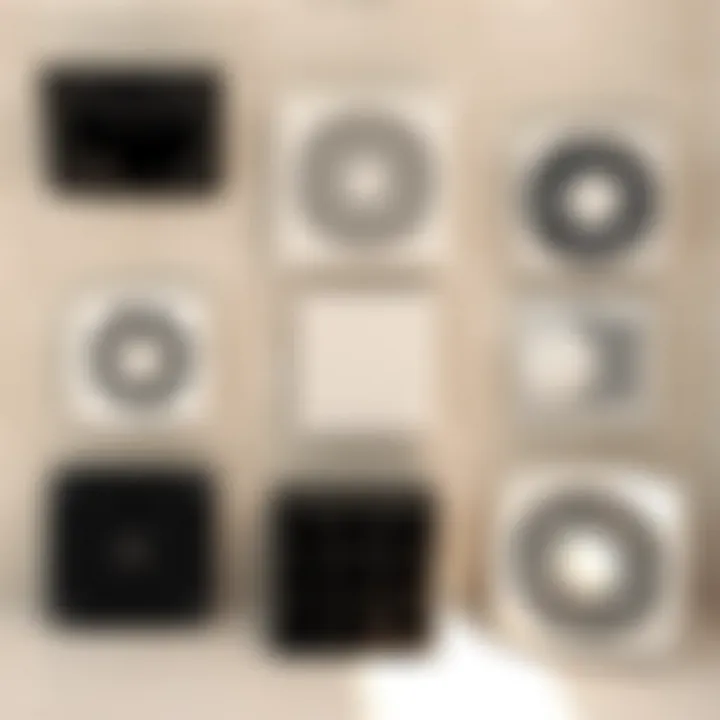
- Variety of Designs: Many covers come in various styles and colors, allowing homeowners to choose options that blend seamlessly with their home’s architecture.
- Subtle Improvements: A well-designed cover can transform the look of an otherwise functional space, turning an overlooked component into a subtle yet stylish feature.
"The right exterior sanctuary is not just functional; it should also please the eye."
Thus, while they might not be the most glamorous aspect of a bathroom, outside covers certainly can contribute to a polished appearance. Selecting one that complements your home enhances the overall vibe of the space.
In summary, the role of outside covers is multifaceted, serving as vital protectors against environmental hardships, insulative barriers against pests, and aesthetic enhancers for your property. By recognizing these benefits, homeowners can appreciate the importance of these components in creating a reliable and visually appealing bathroom ventilation system.
Types of Exhaust Fan Covers
When it comes to ensuring the proper functioning of bathroom exhaust fans, understanding the variety of exhaust fan covers is paramount. These covers are not just decorative elements; they serve critical roles in protecting your ventilation system from environmental factors. Choosing the right type can enhance efficiency, prolong the lifespan of the unit, and maintain overall indoor air quality. This section breaks down the most common types of exhaust fan covers, highlighting their unique features and considerations for homeowners.
Fixed Grilles
Fixed grilles are perhaps the most straightforward type of cover available. They are often made from durable materials such as plastic or metal and are designed to allow unrestricted airflow. While they do an effective job of venting, their simplicity comes with a drawback: they do not provide any sort of barrier against the elements. Rain, debris, and pests can easily enter through a fixed grille, which may lead to further complications in your ventilation system.
The main advantage here is ease of installation; since they do not have any moving parts, you can generally slap one on with minimal fuss. Moreover, fixed grilles can be quite affordable, making them an attractive choice for those on a budget. Still, it's crucial to regularly check these covers to prevent any build-up of moisture or debris that could affect fan performance.
Flapper Dampers
Flapper dampers bring an additional layer of protection that fixed grilles lack. What sets them apart is the flapper mechanism which opens to allow airflow when the fan is in operation but closes tightly when not in use. This simple yet effective design prevents cold air from entering the home during winter months and keeps unwanted moisture and pests at bay.
While installation is slightly more complex than with fixed grilles, the added benefits might make it worthwhile. A flapper damper can help maintain a consistent indoor temperature and improve energy efficiency. Homeowners might want to ensure that the flapper is functioning properly by performing routine checks, as any sticking or malfunction could compromise airflow.
Magnetic Covers
Magnetic covers have become increasingly popular due to their convenience and effectiveness. These covers use a magnetic strip to attach directly to the exhaust fan vent. They are lightweight and easy to install or remove, offering homeowners the flexibility to cover or uncover their vents. Furthermore, they act as a barrier against outside elements, pests, and debris.
With magnetic covers, homeowners can take advantage of the ease of seasonal installation. During warmer months, these covers can be put aside to allow for maximum airflow, while they can be effortlessly reattached when colder weather arrives. However, magnetic covers may not be suitable for all home designs, so it’s worth checking compatibility before purchase. They also tend to be slightly pricier, but the assurance of adaptability could justify the cost.
Installation Considerations
Installing an outside cover for your bathroom exhaust fan is no small feat. It’s a crucial step that can significantly impact the functionality and longevity of the exhaust system. If done correctly, it helps in efficiently expelling moist air, reducing humidity, and preventing unwanted pests from entering. Conversely, a poorly installed cover can lead to airflow issues, increased energy costs, and even structural damage from moisture accumulation.
Selecting the Right Size
Choosing the right size for your exhaust fan cover is like finding the right shoe size. Too tight, and it’ll be uncomfortable; too loose, and it won’t provide the protection you need. First, you’ll want to measure the exhaust fan’s outlet diameter. Then it’s a good idea to consider the overall aesthetics and how the cover will blend with your home’s exterior. Keep in mind that using a cover that’s too large can create gaps that invite pests, while a snug fit ensures optimal airflow without risk of leaks.
Tools Needed for Installation
Before diving into the installation, having the right tools on hand is essential. Here’s a short list to kick-start your project:
- Screwdriver (usually a Phillips or flathead, depending on your cover design)
- Drill (for any necessary pilot holes)
- Measuring Tape (to ensure correct sizing and placement)
- Level (to make sure your cover is straight)
With these tools, you’ll be well-equipped to tackle the installation process smoothly. Sometimes it’s the simple tools that make the biggest difference in the outcome of a project.
Steps for Proper Installation
So, how to go from box to fully functioning? Here’s a step-by-step guide to installing your bathroom exhaust fan outside cover:
- Turn Off Power: Safety first! Before you begin, make sure to turn off the power to the exhaust fan at the circuit breaker.
- Position the Cover: Place the cover against the exterior wall, aligning it properly with the exhaust fan. Use your level to ensure perfect alignment.
- Mark Holes: With the cover positioned, use a pencil to mark where you’ll be drilling holes. This little step helps in making sure everything stays in line during installation.
- Drill Holes: Carefully drill where you’ve marked. If your cover comes with any specific attachments or anchors, make sure they fit snugly into these holes.
- Secure the Cover: Finally, use your screwdriver to tighten screws or clips that secure the cover in place. Ensure it’s firmly attached, but avoid overtightening as it might damage the cover.
- Restore Power: Once everything is secured, restore power to the exhaust fan. Check to ensure the fan is working effectively through the new cover.
This step-by-step approach ensures that everything is done right the first time, minimizing any future troubleshooting.
Taking the time to properly install your exhaust fan cover not only enhances its performance but also contributes to the overall efficiency of your bathroom ventilation system. Remember, a small investment in the right cover and tools can lead to significant gains in comfort and moisture control in your home.
Maintenance Practices
Maintaining bathroom exhaust fan outside covers is crucial for ensuring optimal functionality and longevity. These covers are the first line of defense against the elements and pests, making it essential to keep them in tip-top shape. Regular maintenance not only enhances the performance of the fans but also saves homeowners potential repair costs down the line.
Proper maintenance practices include routine cleaning, inspecting for any signs of damage, and knowing when to replace the covers. All of these elements play a significant role in preserving the integrity of your ventilation system and contributing to improved air quality in your home.
Routine Cleaning
Cleaning your exhaust fan cover may seem like a minor chore, but it's a vital part of home maintenance. Dust, dirt, and grime can accumulate on the cover, blocking airflow and reducing the fan's efficiency. To get started, you should gather basic household cleaning supplies, such as warm soapy water, a soft cloth, and possibly a vacuum with a brush attachment.
Here's a simple step-by-step process for keeping your covers clean:
- Turn Off Power: Safety first! Ensure the power to the exhaust fan is turned off.
- Remove the Cover: Gently detach the cover from the housing. This may require loosening screws or just pulling it off depending on your model.
- Wash It Down: Submerge the cover in warm soapy water for a few minutes to loosen dirt. Then scrub it with a cloth or sponge; this will help remove stubborn stains.
- Dry Completely: Allow the cover to dry thoroughly before reattaching. Damp covers can lead to mold growth.
By incorporating a routine cleaning schedule into your home care regimen, you can ensure your exhaust fan operates efficiently, contributing to better indoor air quality and moisture control.
Inspection for Damage
Regular inspections are key to catching issues before they spiral out of control. Over time, external factors like weather and pests can cause wear and tear on your exhaust fan covers. Look for signs of damage such as cracks, rust, or any warping. A damaged cover may allow air leaks, moisture buildup, or critters to enter the duct system.
Here are steps you can take for a thorough inspection:
- Visually Inspect the Cover: Look for any noticeable damages, such as cracks or corrosion in metal covers.
- Check for Loose Parts: Any screws or fasteners should be secure to prevent the cover from shifting during heavy winds or storms.
- Monitor Functionality: After heavy rain or snow, test the exhaust fan to ensure that it’s functioning properly. If airflow seems compromised, it could be a sign of blockage or a misaligned cover.
Replacing Covers
Eventually, every cover will reach a point where it must be replaced. Factors such as aging, extreme weather, and constant wear can warp or corrode a cover beyond repair. Knowing when and how to replace your exhaust fan cover is essential for maintaining effective ventilation.
Signs that it's time for a new cover include:
- Visible Damage: Cracks or broken pieces that can’t be repaired.
- Poor Fit: If the cover doesn’t fit snugly or allows airflow through gaps.
- Persistent Mold or Mildew: If the interior of the cover shows signs that cleaning hasn’t resolved.
To replace the cover, follow these steps:
- Purchase the Correct Replacement: Ensure the new cover matches the specifications of your exhaust fan.
- Turn Off Power Again: Safety remains paramount.
- Remove the Old Cover: Unscrew or unclip the old cover.
- Install the New Cover: Position it correctly and secure it in place according to the manufacturer's instructions.
By keeping an eye on maintenance, cleaning regularly, inspecting for damage, and knowing when to replace, you can ensure your bathroom exhaust fan operates smoothly and effectively. Proper care leads to improved ventilation, lower energy bills, and a more comfortable indoor environment.
"An ounce of prevention is worth a pound of cure."
For more detailed information and guidelines on home maintenance, you may visit Wikipedia or Britannica.
Energy Efficiency and Cost Implications
When it comes to bathroom exhaust fans, energy efficiency isn’t just a buzzword; it’s a critical factor that can lead to significant cost savings. In a world where energy consumption has become a hot topic, understanding how your exhaust fan contributes to your home’s overall efficiency can help you make informed decisions. Not only does it reflect on your utility bills, but it also plays a role in environmental sustainability. Here, we dissect the implications of energy efficiency regarding bathroom exhaust fans and the cost factors involved.
Efficiency Ratings
Efficiency ratings serve as a guideline to gauge the performance of bathroom exhaust fans. Manufacturers often provide these ratings to help consumers understand energy consumption in a tangible way. A higher efficiency rating typically translates to reduced energy usage, which is a boon for both your pocketbook and the planet.
- CFM (Cubic Feet per Minute): Look for fans with higher CFM, as these provide better airflow, thus requiring less time to ventilate the space effectively.
- Sones Rating: This is a measurement of noise. A unit with a low sones rating will be quieter, meaning more comfort without sacrificing power.
- Energy Star Certification: Fans with this label meet strict energy efficiency guidelines set by the U.S. Environmental Protection Agency, making them a reliable choice for efficient operation.
Understanding these ratings allows homeowners to choose exhaust fans that not only do a great job venting moisture and odors but also minimize energy use over time.
Impact on Energy Bills
Bathroom exhaust fans, though often overlooked, can become significant players in your household’s energy expenditure. An efficient model won’t just work better; it will also help in cutting down monthly costs. You might wonder just how much of a difference this makes?
- Lower Running Costs: An efficient exhaust fan consumes less electricity, leading directly to lower energy bills. If your fan runs for an hour each day, even small savings can add up over time.
- Reduced HVAC Strain: Proper ventilation lowers the workload on heating and cooling systems, meaning these units can run more efficiently and last longer without incurring hefty repair or replacement bills.
- Humidity Control: Excess moisture can lead to mold growth, which can create costly repairs and even health concerns. By investing in a fan with good energy efficiency ratings, you're not just checking off a home improvement; you’re potentially preventing future expenses caused by humidity damage.
"Choosing an efficient bathroom exhaust fan is a double win: it saves money, and it creates a healthier living environment at the same time."
In the end, staying informed about energy ratings and their impact on bills can help you select a bathroom exhaust fan that aligns with both your budget and your commitment to ecological responsibility.
Common Issues with Exhaust Fan Covers
Bathroom exhaust fans serve a crucial role in maintaining air quality and controlling moisture. However, the outside covers of exhaust fans can be prone to certain issues that may hinder their effectiveness. Understanding these common problems is essential for homeowners looking to ensure longevity and proper functioning of their ventilation systems.
Blockages and Airflow Problems
One of the most prevalent problems that can arise with exhaust fan covers is blockages. These can be caused by a variety of factors, including debris accumulation, such as leaves, bird nests, or even snow in colder climates. When the outside cover becomes obstructed, airflow is restricted, which diminishes the fan's ability to expel moisture and stale air. This can lead to unwanted side effects like dampness in the bathroom, higher humidity levels, and ultimately, mold growth.
To tackle this issue, regular inspections of the outside cover are paramount. Keep an eye out for:
- Dirt or grime buildup, which can trap moisture.
- Insects or small animals that might nest inside the cover, creating additional blocking.
- Any leaves or branches that blow onto the exhaust area.
Inadequate airflow can also lead to noisy operation. If the fan is straining to push air through a blocked exit, it can create an unnaturally loud hum or even rattling noises. If this is the case, it's wise to check the cover and clear any obstructions keenly.
Moisture Accumulation
Moisture accumulation around or inside exhaust fan covers is another often-overlooked issue. This phenomenon can stem from improper installation, poor quality materials, or simply environmental factors. When moisture collects, it can become a breeding ground for mold and mildew, which poses health risks and contributes to odors that can linger throughout the home.
Moisture can enter through cracks or gaps in the cover that weren’t properly sealed. Thus, when selecting covers, it’s wise to choose high-quality materials designed to withstand weather conditions. Homeowners should also consider the following measures to combat moisture issues:
- Regular maintenance: Ensure the fan is functioning correctly at all times. Check that the exhaust fan itself is in good working order and installed correctly.
- Sealing: If gaps are present, consider using weatherstripping or caulk to seal potential entry points for water.
- Ventilation checks: Ensure other connected ventilation systems are not contributing to excess moisture; check that connected ducts are intact and clear.
Addressing blockages and moisture concerns is essential for enhancing the lifespan and efficiency of bathroom exhaust fans. Ignoring these issues can lead not just to higher maintenance costs but also to potential health problems.
Addressing these common issues with exhaust fan covers can significantly improve the performance of your bathroom ventilation system. Homeowners should remain proactive and aware, ensuring a clean and efficient environment.
Choosing the Right Cover
Choosing the right cover for your bathroom exhaust fan is a decision that impacts not just the aesthetics of your exterior but also the functionality of the ventilation system as a whole. With a plethora of options available in the market, it’s crucial for homeowners to consider various factors ranging from material durability to design compatibility. This section discusses the essential elements that should influence your decision-making process regarding exhaust fan covers.
Material Considerations
When it comes to selecting the right material for your exhaust fan cover, it’s akin to picking the right fabric for your favorite winter coat. The right choice ensures longevity and reliability. Several materials are commonly used, each with its own set of benefits:
- Plastic: Lightweight and resistant to rust, plastic covers are often the most economical choice. However, they may not hold up as well against severe weather over time.
- Aluminum: Known for its sturdiness, aluminum offers a balance between durability and weight. It doesn’t rust, making it ideal for humid environments.
- Stainless Steel: If you’re aiming for a cover that truly stands the test of time, stainless steel might be your best bet. This material is not just tough; it also gives an elegant finish that enhances curb appeal.
In addition to these options, consider how the material will interact with local weather conditions. For instance, if you live in a coastal area, where salty air is prevalent, a stainless steel cover may offer the best resistance to corrosion. Ultimately, selecting the right material increases not only the cover’s lifespan but also its performance.
Design Options
A cover's design matters just as much as its material. Choosing a design that complements your home's exterior makes a significant difference in the overall appearance. Here are some popular design options to consider:
- Fixed Grilles: These are basic in design and are primarily functional, allowing for airflow while protecting against exterior elements. They come in various sizes that make them very adaptable.
- Flapper Dampers: Designed for efficiency, flapper dampers open only when the fan operates, preventing drafts when it’s not in use. This can be particularly beneficial for energy conservation.
- Decorative Covers: Modern designs bring style to functionality. Some homeowners opt for decorative covers that jazz up an otherwise utilitarian feature, giving a nod to aesthetics while ensuring proper ventilation.
A well-chosen design blends seamlessly with your home’s architecture. Remember, it’s not just about functionality; the right cover can enhance your home's visual charm. In doing so, it elevates the overall appearance without taking away from the practicality of the exhaust fan.
The best cover combines durability, efficiency, and beauty, making it a necessity rather than an afterthought.
In summary, when choosing an exhaust fan cover, pay close attention to materials and designs, making sure they align with your home decor and environmental factors. This attention to detail will enhance both the functionality of your bathroom ventilation system and the overall look of your home.
Epilogue
Recap of Importance
To recap, the central importance of outside covers lies in their functionality. When you think about it, these covers act as the first line of defense against weather extremes—rain, snow, and even the relentless sun. Without them, moisture can enter your exhaust system leading to mold growth and unpleasant odors. Moreover, a proper cover prevents insects and other critters from making a cozy home inside your ventilation system. Just imagine coming home to a damp bathroom because your exhaust was working overtime without proper safeguards in place—that's a nightmare you don’t want.
Here are a few key takeaways:
- Protection from Elements: Covers shield exhaust fans from harsh weather conditions.
- Pest Prevention: They block entry points for pests, which is crucial for health and hygiene.
- Aesthetic Appeal: An attractive cover can enhance the overall look of the exterior of your home.
It’s clear that these elements work together to maintain indoor air quality, ensuring a pleasant and healthy living environment. For homeowners and housewives alike, understanding the critical role of these covers will enable more informed choices during installation and maintenance.
Future Trends in Exhaust Ventilation
The future of exhaust ventilation is on the cusp of exciting changes. Emerging technologies and designs are set to reshape what we know about bathroom ventilation. For instance, smart exhaust fans, equipped with sensors to detect humidity levels, are becoming increasingly available. These smart fans not only improve energy efficiency but can also be controlled directly from your smartphone.
Sustainability is also a growing trend. Homeowners are embracing eco-friendly ventilation options that minimize energy consumption while maximizing performance. Innovations such as solar-powered exhaust systems may soon become commonplace, offering an environmentally sound way to keep your bathroom dry and fresh.
In terms of materials, corrosion-resistant options are gaining traction. These materials promise longevity and durability against wear and tear, ensuring that your exhaust system remains effective for years.
As energy efficiency becomes a priority for homeowners, the future may hold exhaust fan covers designed to improve air leakage resistance. Enhanced designs could further optimize airflow, creating a seamless balance between internal and external environments.
In summary, the landscape of exhaust ventilation is evolving, pushing boundaries and redefining standards. Staying abreast of these trends can help you make better decisions for your home and contribute to a healthier living space.