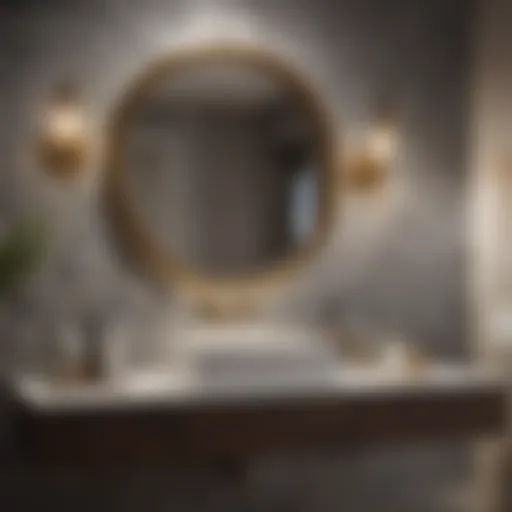
Choosing the Perfect Vanity Lights for Your Bathroom


Intro
Lighting can make or break a bathroom, especially when it comes to illuminating the vanity area. As the hub of daily grooming routines, the right lighting not only enhances the functionality but also sets the mood. Selecting fixtures means considering style, brightness, and even energy efficiency. While some may think a simple bulb is all that's needed, there’s more to it than meets the eye.
Diving into the world of bathroom lights, one quickly sees how variety and personal preference play a crucial role. Modern design trends lean towards thoughtful combinations of aesthetics and practicality, making every choice significant.
This guide aims to bridge the gap between the technical aspects of lighting and the subjective nature of design choices. Whether you prefer sleek and contemporary lines or more traditional styles, there’s a wealth of options available to help you achieve that ideal look while ensuring the illumination is just right.
Understanding not only the types and styles of lights but also how they interact with your overall bathroom design is vital. From ambient lighting which sets the scene, to task lighting specifically for applying makeup or shaving, knowing the distinct categories and functionalities will elevate your selection process.
Current Trends
Color Palettes
Bathrooms now embrace a wider scope of color palettes, reflecting personal style and comfort. Soft pastels are all the rage—think pale pinks or calming blues, which can beautifully complement soft glow lights. More daring homeowners might opt for dramatic black or navy walls paired with glimmering bronze or gold fixtures to create a striking contrast.
A trend that has been on the rise is that of mixing metals within fixtures, countertops, and accessories. For instance:
- Polished nickel and matte black can create a sleek, modern vibe.
- Antique brass paired with white fixtures offers a classic touch.
Popular Styles
When it comes to styles, today's vanity lighting echoes a myriad of influences, merging traditional charm with modern minimalism. Here are some options to consider:
- Modern sconces that are wall-mounted beside mirrors provide a streamlined appearance.
- Pendant lights are now taking center stage, suspending delicately above vanities and adding a splash of personality.
- LED strips, often placed at the back of mirrors, create an ethereal effect that many find appealing.
- Industrial lighting featuring raw materials like metal or wood adds a hint of rugged sophistication.
"The right bathroom lighting isn't just about visibility; it's about creating a serene escape in the comfort of your home."
Visual Ideas
Gallery of Styled Bathrooms and Bedrooms
Visuals can inspire and inform decisions. A well-thought-out bathroom can showcase not just functionality but also reflect personal taste. Pictures of high-end finishes, cozy bath settings, or bold tile choices are a testament to what is achievable. Browse platforms like Pinterest or Instagram to curate a board that captures the aesthetic you aspire to.
Before-and-After Transformations
Highlighting the transformations made by simply switching out the lighting fixtures can be eye-opening. A dull, dark vanity can be revitalized into a luminous beauty with the right choice of lights. Whether it’s replacing a dated overhead fixture or adding sconces, these before-and-after visuals can serve as a powerful reminder of how impactful lighting choices can be.
In summary, they say, "A room without light is just a shell." Understanding how to properly illuminate your vanity will not only enhance its visual appeal but also heighten its usability. So, let’s turn the lights on and explore the world of bathroom vanity illumination.
Understanding the Role of Bathroom Lighting
When considering the design of a bathroom, the significance of lighting extends far beyond illumination. It plays a crucial role in both functionality and aesthetics, shaping not only how we perceive this tiny space but also how we interact with it. Proper bathroom lighting can transform an ordinary vanity experience into something much more inviting and practical. This section will explore the practicalities of lighting in a bathroom setting and demonstrate why it should never be an afterthought.
Functional Importance
First things first, let’s talk about practicality. A well-lit bathroom ensures that you can go about your daily tasks with ease. Imagine rummaging through the drawers in an inadequately lit space, constantly straining your eyes to find that elusive mascara or face cream. Adequate lighting allows one to avoid mishaps, whether that’s applying makeup with precision or shaving without the fear of nicks.
To break it down further:
- Visibility: Natural light may not always be an option, especially in windowless bathrooms or during darker hours. By incorporating effective lighting, you eliminate shadows and dark corners, creating a more functional space.
- Safety: Slips and falls are unfortunately common in the bathroom. Proper illumination minimizes such risks, helping you navigate smoothly.
- Task-oriented lighting: By installing lights directly above or adjacent to the vanity, you promote exceptional visibility for tasks that require focus and detail.
Aesthetic Significance
Now, shifting gears to aesthetics, bathroom lighting serves as an integral part of your interior design. The right lighting can drastically alter the vibe of your sanctuary. Imagine stepping into a space that feels airy yet cozy, thanks to sleek fixtures that complement your decor.
Consider this:
- Mood Setting: The color and brightness of your bathroom lights can evoke emotions, whether you’re looking for vivacity during a morning routine or a calm atmosphere for a relaxing soak during the evening.
- Design Integration: Good lighting fixtures become part of the visual tale that your bathroom tells. From vintage bulbs in rustic settings to sleek lines in modern designs, the right choices tie everything together.
- Highlight Features: Accent lighting helps draw attention to beautiful tiles, art pieces, or a well-designed mirror, accentuating the character of your bathroom rather than hiding away its charm.
In closing, bathroom lighting is not simply about illumination; it is about creating a functional yet inviting space that reflects your personal style. Whether it’s the early morning hustle or a late-night wind down, effective lighting makes all the difference.
Types of Bathroom Lighting Fixtures
When it comes to illuminating your bathroom, the type of lighting fixtures you choose plays a significant role in both practicality and style. In this section, we delve into the different types of bathroom lighting fixtures, each of which carries unique benefits and considerations. Choosing the right fixture not only enhances visibility but also amplifies the aesthetic appeal of your vanity space. Let's explore three main types of fixtures that are essential for achieving optimal lighting over your vanity: wall-mounted fixtures, recessed lighting, and chandeliers or pendant lights.
Wall-Mounted Fixtures
Wall-mounted fixtures are often the unsung heroes of bathroom lighting. Placed on either side of the mirror or above it, these fixtures provide direct lighting that eliminates shadows on the face. This is particularly helpful during tasks such as applying makeup or shaving, where reflective accuracy is paramount.
- Benefits:
- Considerations:
- They illuminate the face evenly, reducing the harshness of overhead lighting.
- Available in various designs, from sleek modern options to more decorative styles, allowing for a seamless blend with your bathroom decor.
- Positioning is key. Ideally, the center of the light should be at eye level to minimize shadows.
- Make sure to choose fixtures that can withstand a humid environment, ensuring durability over time.
"Good lighting is half the beauty!" This quote rings true when it involves personal grooming tasks. Wall-mounted fixtures can truly transform the experience.
Recessed Lighting
Recessed lighting brings a touch of elegance and modernity to your bathroom setup. These lights are installed into the ceiling, making them less obtrusive while offering an ambient glow throughout the room. They work beautifully in conjunction with other forms of lighting.
- Benefits:
- Considerations:
- Creates a clean and uncluttered ceiling line, allowing for a more spacious feel in smaller bathrooms.
- Flexibility in positioning means you can highlight specific areas, such as artwork or architectural features.
- It’s crucial to use fixtures rated for damp locations to avoid electrical hazards in moist conditions.
- Quality of installation matters. Poorly placed recessed lights can result in uneven lighting that does not serve its purpose well.
Chandeliers and Pendant Lights
For those looking to make a statement, chandeliers and pendant lights can elevate bathroom vanity aesthetics to new heights. These fixtures not only provide light but also act as artistic focal points in the space.
- Benefits:
- Considerations:
- They come in various styles, from ornate and vintage to sleek and modern, allowing for a personalized touch.
- Perfect for larger bathrooms or high ceilings, adding character while brightening the space.
- Ensure the height is appropriate to provide ample illumination while avoiding the feeling of overcrowding.
- Larger fixtures may require more maintenance but deliver unmatched visual impact.
In summary, selecting the right type of lighting fixture for your bathroom can profoundly affect the ambiance and functionality of your space. Whether you opt for wall-mounted fixtures for practical tasks, recessed lighting for subtle elegance, or chandeliers as stunning centerpieces, each choice offers a unique way to illuminate your vanity.
Choosing the Right Light Bulbs
Choosing the right light bulbs for your bathroom vanity goes far beyond mere illumination; it can dramatically change your entire experience in the space. Selecting bulbs that align with your lighting goals encompasses several factors, from brightness to color quality, and even energy efficiency. If you think about it, how these elements blend can transform a basic bathroom into a spa-like oasis or a vibrant energy hub. In this section, we’ll consider all the key points you need to explore while picking the right light bulbs for your bathroom’s vanity area.
Lumens and Brightness
Understanding the relationship between lumens and brightness is where it all starts. Lumens measure the amount of light a bulb emits, so you'll want to focus on this metric to assess how well the light will illuminate your space. Generally, for bathroom vanities, aiming for about 400 to 800 lumens is ideal, depending on the size of the vanity and the ambient light present.
- Too Dim: If your bulbs are weak, it can turn into a comical scene while you're trying to apply makeup or shave. It’s important to balance ambiance with practicality.
- Too Bright: On the flip side, overly bright lights might give off a harsh glare, making the bathroom feel more like a clinical setting rather than a relaxing retreat.


You can easily find bulbs labeled with their lumen output, aiding you in making an informed decision. For instance, a standard 60-watt incandescent bulb produces around 800 lumens, but LED alternatives can deliver similar brightness with a lot less wattage.
Color Temperature
Moving on to color temperature, this refers to the hue of the light emitted by a bulb, measured in Kelvin (K). The range typically falls between 2700K (soft yellow) to 5000K (cool daylight). Choosing the right color temperature is essential for achieving the desired atmosphere:
- Warm White (2700K - 3000K): Creates a cozy and inviting glow, making it perfect for leisurely baths or a relaxed feel.
- Cool White (3500K - 4100K): Offers a balanced light, which is good for tasks like applying makeup and grooming.
- Daylight (5000K - 6500K): This is closer to natural daylight, providing a very bright experience, which can be quite invigorating but not ideal for creating a soothing environment.
Assess how you want your space to feel, and choose a color temperature that aligns with that vision.
Energy Efficiency
Today, being energy-efficient is not just about reducing electricity bills; it’s about making a choice that also benefits the environment. Energy-efficient bulbs, like LEDs and compact fluorescents (CFLs), can use significantly less wattage compared to incandescent bulbs while providing the same brightness.
Here are some energy-efficient options:
- LED Bulbs: Often use up to 80% less energy than traditional incandescent bulbs and last much longer, sometimes up to 25,000 hours. They are a smart, cost-effective choice in the long run.
- CFLs: While they offer less longevity than LEDs, they still outperform incandescents by about 75% in energy savings.
- Smart Bulbs: If you’re feeling clever, consider smart bulbs that allow you to adjust brightness and color temperature from your smartphone or via voice command, adding a touch of modern convenience.
"Choosing the right light bulbs not only enhances the visual appeal of your bathroom but also contributes to energy savings and environmental sustainability."
Styles of Bathroom Lighting
The right lighting style can transform an ordinary bathroom into a sanctuary of relaxation and elegance. When we talk about styles of bathroom lighting, we aren't just discussing aesthetics; we're diving into how these choices impact the overall ambiance and functionality of the space. Each light fixture tells a story, setting the tone for your daily routines, whether it's a refreshing morning shower or a soothing evening soak.
Selecting the appropriate bathroom light style is vital because it ensures that the space meets personalized needs while enhancing the attractiveness of the area. Moreover, the right style can also influence the perceived size of the room; lighter colors and minimalist fixtures can make a compact space feel larger, while darker, bulkier designs may reduce that feeling. It’s not just about having light; it’s about how that light interacts with the space.
Modern and Minimalist
In a fast-paced world, the appeal of modern and minimalist designs lies in their simplicity. This style often features clean lines, neutral color palettes, and unobtrusive shapes. It emphasizes function over fanciness, which can be particularly advantageous in smaller bathrooms where every inch counts.
Key Features:
- Sleek Fixtures: Look for fixtures with streamlined designs. Think about wall sconces or linear overhead lights that follow geometric patterns.
- Neutral Tones: Whites, blacks, and metals are commonplace. This allows for easier coordination with various bathroom elements.
- Minimalist Decor: Avoid excessive ornamentation. The beauty lies in simplicity.
Using modern fixtures can also enhance energy efficiency, especially with LED technology becoming standard. This not only saves on your electricity bill but also prolongs the lifespan of your lights.
Vintage and Rustic
For those who adore a cozy, welcoming atmosphere, vintage and rustic styles can add character and charm to your bathroom. They offer a level of warmth that's often missing in modern design, presenting a nostalgic aesthetic that feels like home.
Key Features:
- Antique Finishes: Look for fixtures with aged brass or bronze for that authentic touch.
- Natural Materials: Wooden accents, wrought iron designs, or even vintage glass can bring richness to the lighting.
- Mixed Styles: Feel free to blend vintage with modern accents, which can create a unique contrast, making the space one-of-a-kind.
Rustic lighting is not only visually appealing but contributes to creating a relaxed and inviting environment. When properly placed, these fixtures can provide softer, more ambient light that’s suitable for unwinding in the bath.
Industrial and Contemporary
The industrial and contemporary style brings an edgier vibe to bathroom lighting, often drawing inspiration from urban environments. This style merges metallic textures, rugged finishes, and exposed elements that can create a striking visual impact.
Key Features:
- Exposed Bulbs: These can be both functional and decorative, lending an artsy touch that catches the eye.
- Raw Materials: Metal or concrete fixtures evoke an industrial feel and add to the overall uniqueness of the setup.
- Bold Designs: Fixtures may include oversized pendant lights or robust sconces, which can act as statement pieces within your space.
Combining industrial elements with contemporary design can ensure the bathroom feels both modern and cozy, striking a balance between sophistication and creativity.
Whatever style you choose, remember that bathroom lighting is not just about illuminating a space but also about creating the right atmosphere that resonates with your personal taste.
Positioning Lights Over the Vanity
When it comes to creating the perfect atmosphere and functionality in your bathroom, the positioning of lights over the vanity plays a crucial role. Light placement can transform your bathroom from mundane to magnificent. The way light interacts with the space not only impacts visibility but also enhances the overall aesthetic appeal.
Positioning lights correctly can prevent shadows and glare, ensuring your vanity area is both practical and inviting. Poorly positioned lights can make it harder to perform daily tasks like shaving, applying makeup, or styling hair, leading to frustration. Therefore, understanding the nuances of positioning is vital for both safety and functionality.
Moreover, the right lighting can highlight design elements in the bathroom, such as mirrors or decorative features. Utilizing light to draw attention to these areas can elevate the visual interest of your space, making the humble bathroom feel more like a personal oasis. This article endeavors to unpack the essential aspects of light positioning that every homeowner should consider for an effective vanity setup.
Height Considerations
The height at which you position your lighting fixtures can greatly affect how effective they are. Generally, the recommended height for wall-mounted fixtures is around 66 to 70 inches off the floor. This measurement works well for most users, as it centers the light source at eye level, reducing shadows on the face during grooming tasks.
Sometimes, people opt to install lights too high, thinking this will cover more area. However, this often backfires, creating unflattering shadows. Instead, consider placing lights flanking the mirror to create even illumination. Here are some key points to keep in mind:
- Wall sconces should be about 28 to 36 inches apart from each other, depending on the size of your vanity.
- If you're using a light bar, ensure it's mounted about 75 to 80 inches from the floor to achieve the best results.
- Measure and test your placements with temporary fixtures to visualize how they will look before making any final adjustments.
Undoubtedly, these considerations not only help achieve an optimal lighting setup but they also add to the aesthetics of the bathroom.
Spacing and Arrangement
Beyond height, the spacing and arrangement of light fixtures are critical in achieving a balanced illumination across the vanity area. A common mistake is to cluster too many lights in one corner or overspend on extravagant fixtures without considering their placement.
- Symmetrical arrangements—like placing two wall sconces at equal distances from a central mirror—can provide soft, flattering light and a visually pleasing symmetry. This approach is especially effective in larger bathrooms where the light source needs to reach farther.
- For smaller vanities, consider using a light bar directly above the mirror, ensuring it covers a wide span. This setup minimizes shadows that could hinder activities such as makeup application.
- Consider using dimmers to control brightness depending on the time of day or mood. You might want soft, low light for a soothing evening bath, but brighter illumination for morning routines.
By mindfully arranging your lighting fixtures, you can create a serene atmosphere while ensuring that your vanity is as functional as it is attractive.
"Properly lighting your vanity area is about more than just visibility; it's about creating an environment that feels good to be in."
Complementary Lighting Techniques
When it comes to bathroom lighting, simply placing one fixture above the vanity is often not enough. Complementary lighting techniques are essential to create a well-lit and inviting space. These techniques involve using multiple light sources in a way that enhances the overall atmosphere while addressing both practical and aesthetic needs.
The beauty of complementary lighting lies in its ability to blend various lighting types, thereby maximizing the functionality and feel of the vanity area. For instance, think about how light interacts with different surfaces and paints in your bathroom. The goal here is to create depth and dimension while also ensuring that the light is flattering and serves its purpose effectively.
Some key benefits to consider include:
- Improved visibility: By layering lighting, you reduce shadows that can hide facial features, making daily tasks like grooming easier.
- Mood enhancement: Different lights can create varying moods. Warm lights may instill a sense of relaxation, while brighter lights can energize the space.
- Design flexibility: Layered lighting offers designers and homeowners the chance to express their personal style by playing with various hues, intensities, and fixture styles.
While the task of layering lights over your vanity may seem straightforward, there are a few considerations to keep in mind. Ensure you balance the light levels across the space to avoid an overly bright or dim atmosphere.
Additionally, consider the placement and direction of lights. A combination of warm white light and colder lights at different angles can create the ideal environment. It’s essential to avoid harsh contrasts, as they can lead to a fragmented experience—not exactly what you want in your sanctuary.
Layering Light Sources
The concept of layering light sources is pivotal when you think about illuminating your vanity area. It involves combining ambient, task, and accent lighting thoughtfully so that each type serves its unique function.
- Ambient lighting sets the overall mood. This can come from ceiling fixtures or wall sconces that cast light across the room evenly.
- Task lighting is focused and functional, usually coming from fixtures situated very close to where you will need the light most, such as around the mirror.
- Accent lighting adds character and highlights key features of the space. For instance, decorative lights placed strategically can draw attention to artwork or architectural details.
To implement this effectively, consider these steps:
- Identify tasks: Understand what activities you will do at your vanity. Applying makeup, shaving, or just washing your face? Each requires different lighting.
- Select fixtures: Choose energy-efficient and aesthetically pleasing fixtures. A mix of recessed lights combined with wall-mounted sconces can create an inviting glow without overwhelming the senses.
- Adjust controls: Installing dimmers can help regulate the ambiance depending on the time of day or your mood.
This blend of light sources not only enhances functionality but also adds depth to the room, making it appear larger and more inviting.


Accent and Task Lighting
When thinking about your bathroom's lighting scheme, both accent and task lighting play critical roles in ensuring that your vanity serves its purpose effectively while also looking fabulous.
Task lighting is focused on illuminating specific areas where you perform activities, like getting ready in the morning. Ideally, this type should be bright enough to ensure that you can see clearly without casting shadows on your face. For instance, a pair of sconces installed on either side of the mirror can provide balanced illumination that is gentle yet sufficient for detailed work.
On the other hand, accent lighting is more about aesthetics than practicality. Its purpose is to highlight certain features and create ambiance—perhaps a decorative element above the mirror or lights that emphasize wall art. This type of lighting should complement rather than compete with task lighting. For example, using a warm glow from LED strips installed above or below the cabinet can produce a soft effect that adds warmth to the overall design.
Incorporating these forms of lighting harmoniously can create a cohesive feel that does more than brighten your space—it can enhance your daily routine and elevate the atmosphere.
"Light is the bridge that connects function and style in every space.”
So, when you set about planning your bathroom lighting, make complementary techniques a priority. By carefully layering light sources and thoughtfully employing both accent and task lighting, you'll cultivate an environment that feels right for you—both functional and beautiful.
Integrating Smart Lighting Solutions
As technology advances, homes are becoming more intelligent, and lighting is no exception. Integrating smart lighting solutions in your bathroom can remarkably enhance both convenience and efficiency. From adjusting the ambiance to fit your mood to controlling the lights from a distance, smart lights offer unique benefits that elevate your daily routines. This aspect of bathroom lighting goes beyond mere functionality; it adds a layer of sophistication and modernity that is hard to ignore.
With smart lighting solutions, you can tailor your lighting needs to your lifestyle preferences. Consider the time you spend in the bathroom daily—getting ready in the morning, unwinding after a long day, or hosting guests. Each scenario may call for different lighting atmospheres, and smart solutions afford you that versatility.
Additionally, these systems often come with energy-saving features that help manage your power consumption. When selecting smart lighting options, it's vital to consider compatibility with your existing fixtures, the range of control, and even the energy efficiency ratings, which can ultimately save you money on utility bills.
Smart Bulbs and Controls
Smart bulbs are the backbone of any intelligent lighting setup. Gone are the days when you could only switch lights on and off. These new-age bulbs allow users to control brightness and color temperature, thus creating a customized environment. Many smart bulbs work with existing fixtures, meaning there's no need for extensive renovations.
Benefits of smart bulbs:
- Varied Color Options: You can alter the color of the light depending on the mood of the day. Soft white for relaxation or bright daylight for focus.
- Adjustable Brightness: Dimming lights can help avoid harsh glare while applying makeup or brightening the room to chase away morning sleepiness.
- Scheduling Features: Program your lights to turn on or off at specific times, providing peace of mind that your bathroom is always well-lit even when you’re not home.
A simple setup may involve using a smart hub or a compatible app on your phone to manage these bulbs. Many models come with user-friendly interfaces that make navigation a breeze.
Voice-Activated Systems
Another significant advancement in smart lighting technology is voice-activated systems. These systems allow you to control lighting just by using your voice, offering an extra layer of convenience. Imagine you are in a situation where your hands are wet or full—you can simply ask a smart assistant to turn the lights on or off for you.
Common features include:
- Hands-Free Activation: With a simple command, you can set the mood for a bath or let natural light in after a long day.
- Integration with Other Smart Devices: Most voice-activated systems can connect to other smart home devices, allowing you to create a harmonious living environment. For example, lower your blinds, adjust your temperature, and dim the lights, all with one command.
- Routine Customization: Program specific routines, like “Good Night,” that exhibit various functions—turn off the lights, lower the thermostat, and lock the doors all at once.
Implementing these smart solutions may require a slight learning curve, but the increased comfort and efficiency they provide makes it worth the effort.
"Intangible advantages come with a little investment—lighting can become a seamless extension of your lifestyle."
In a world that's becoming more connected, it makes sense to rethink the way we approach lighting, especially in spaces like the bathroom. Not only can smart systems enhance your daily rituals and contribute to energy savings, but they also permit an unprecedented level of personalization—all part of creating an illuminating environment.
Maintenance and Care for Lighting Fixtures
Maintaining and caring for your lighting fixtures might not seem like a top priority, yet it plays a crucial role in both aesthetics and functionality. Over time, dust and grime settle in places that are hard to reach, diminishing the brightness and overall appeal of your bathroom illumination. When these fixtures are properly cared for, they enhance the ambiance, keep your space looking fresh, and can save you money in the long run by prolonging the life of your bulbs and fixtures.
Regular upkeep is akin to tuning a fine musical instrument; it ensures everything runs smoothly and looks the best it can. Clean fixtures also minimize the risk of accidents, such as overheating and possible electrical issues. Investing time in cleaning not only revitalizes the appearance but also can boost the fixture's performance—making it a win-win situation for any homeowner.
Regular Cleaning Tips
Cleaning your lighting fixtures doesn't have to be a daunting task. Here are some straightforward tips to help keep everything sparkling:
- Use Soft Cloths: Microfiber cloths are perfect for dusting. They pick up particles without scratching surfaces.
- Gentle Cleaning Solutions: Mix equal parts of vinegar and water in a spray bottle to clean glass components. This natural solution can cut through grime without harsh chemicals.
- Frequency Matters: Aim to clean fixtures every 3-6 months. If your bathroom tends to be steamy, you might want to make it part of your monthly routine.
- Take Your Fixtures Down: When cleaning, if you can safely remove fixtures, do so to give them a thorough cleaning. Ensure the power is off first—better safe than sorry!
- Inspect for Damage: While cleaning, keep an eye out for loose wires or any corrosion. This proactive step can save you from bigger headaches down the line.
"A clean light is a bright light. It’s amazing how much better a small effort can look to your eyes."
Replacing Bulbs Effectively
Knowing how to replace bulbs efficiently is an essential skill in maintaining your lighting. Installing new bulbs is not just about changing them; it’s about doing it safely and selecting the right type for your needs.
- Turn Off Power: Always ensure that power to the fixture is off to prevent electrical shocks.
- Choose the Right Type: Depending on your fixtures, you'll want to select bulbs that fit properly. For vanity lights, LED options are usually a good bet, as they emit less heat and save on energy costs.
- Careful Handling: Treat new bulbs with care. They can be delicate and it's crucial to avoid touching the glass with bare fingers, as oils can cause hotspots and reduce their lifespan.
- Dispose Properly: When you take out old bulbs, dispose of them according to local recycling guidelines. Some bulbs, like CFLs, may require special handling because they contain mercury.
- Keep a Record: Consider keeping a log of when you replace bulbs. This can help you track how long your bulbs last and plan when you might need replacements in the future.
Regular maintenance and attention to your lighting fixtures lead to a more pleasant, safe, and energy-efficient bathroom experience.
Safety and Regulations in Bathroom Lighting
When it comes to bathroom lighting, especially over vanity areas, safety isn't just a box to check off; it’s fundamental. The right lighting not only sets the mood but also ensures a secure and practical environment. This space often combines water and electricity, which can lead to dangerous situations if not addressed correctly. Adhering to safety standards is key to avoiding hazards and ensuring longevity for your fixtures.
Understanding Electrical Standards
Diving into electrical standards, it becomes clear that adherence is not just a good idea, it's mandatory. These regulations, set by local codes and national guidelines, dictate various elements such as wire gauge, circuit breakers, and proper fixture ratings. Generally, the National Electrical Code (NEC) covers these areas in detail. So, what does that mean for homeowners?
- GFCI Protection: Ground Fault Circuit Interrupter (GFCI) outlets should be used in bathrooms to reduce the risk of electric shock if water makes contact with electrical appliances. If a lighting fixture is within a certain distance from a water source, it must be GFCI protected.
- Circuit Loads: Understanding how much load your circuits can handle is crucial. Overloading a circuit can lead to tripped breakers or even fires. Therefore, it's important to plan your lighting pattern carefully to distribute the electrical load adequately.
- Wiring Appropriateness: Employ wiring that meets appropriate standards for damp environments. This is particularly necessary in bathrooms, where humidity and moisture can be a concern.
The importance of these standards cannot be overstated. Failing to comply can lead to expensive repairs, but even more crucial is the risk of accidents, which could be fatal.
Waterproof and Damp-Rated Fixtures
Then there are the fixtures themselves. Bathrooms are inherently humid environments, which necessitates the use of waterproof or damp-rated fixtures. Not all lights are built the same, so understanding these classifications can save you a lot of headaches down the road.
- Damp-Rated Fixtures: These are suitable for areas that might receive some moisture, like bathroom vanities not directly next to bathtubs. However, they are not suited for constant exposure to water.
- Wet-Rated Fixtures: Ideal for direct water exposure, these lights can be used in areas like showers or outdoor spaces. Choosing wet-rated fixtures in a bathroom could certainly be overkill, but they ensure that you’re prepared for any unforeseen splashes.
Only use fixtures designed for the specific environment to minimize risks and ensure effective operation.
When lighting a vanity, always prioritize fixtures that either state they are damp-rated or, for added protection, opt for wet-rated where appropriate. This careful choice can not only enhance safety but can also contribute to the overall lifespan of your lighting.
By attending to these safety regulations and understanding electrical standards, homeowners can create a space where aesthetics meet functionality seamlessly. It's not just about choosing a pretty light, but ensuring that light works in harmony with the environment around it.
Cost Considerations and Budgeting
When it comes to remodeling or upgrading bathroom lighting, the financial aspect often weighs heavily on homeowners' minds. Understanding the cost considerations and how to budget effectively can make a significant difference in both your peace of mind and the overall success of the project. Whether it's about finding the right fixtures or choosing the perfect bulbs, keeping an eye on expenses helps to direct your decisions smoothly.
Lighting over the vanity may seem like a simple choice, yet it can accumulate expenses quickly. From initial purchase costs of light fixtures to long-term expenses like electricity bills and maintenance, each element plays a role in your overall budget.
Here’s a breakdown of key factors to consider:
- Fixture Costs: They can vary greatly depending on materials and brand. It’s important to set a realistic budget first and then explore options within that range.
- Installation Costs: Don’t forget to account for any professional labor if you’re not going to be installing fixtures yourself. Hiring an electrician can sometimes be worth the peace of mind it brings.
- Energy Costs: While LED bulbs might cost a bit more upfront, their longevity and energy efficiency can save you substantially over time.
"Budgeting not only helps in managing finances but also ensures you don’t compromise on quality for your bathroom details."
Estimating Overall Expenses
Estimating the overall expenses for your bathroom lighting isn't merely about summing up fixture prices. For a realistic perspective, factor in distances and heights of your planned lights. Consider these steps to create your budget:
- List out all components: Start with light fixtures, bulbs, switch controls, and any additional features like dimmers or smart systems.
- Research costs: Take your time browsing online retailers, local hardware stores, and specialized lighting stores to get a sense for the price ranges.
- Calculate installation costs: If necessary, gather quotes from electricians.
For instance, if you plan to install two wall-mounted fixtures, each priced at $75, add installation costs of $100, and bulbs at $20 – your calculations quickly stack up to $370. It’s essential to approach your budgeting methodically, ensuring that no detail slips through the cracks.
Budget-Friendly Options


Tight budget? No problem! There are plenty of ways to light up your vanity without breaking the bank. Here are some strategies to consider:
- Shop Sales and Discounts: Keep an eye out for seasonal sales or clearance events. Retailers will often mark down previous season models, making it a great opportunity to snag high-quality pieces at diminished prices.
- DIY Installations: If you have the skills, consider doing the installation yourself. Learning a few basic electrical skills online can save you a few bucks you’d otherwise give to an electrician.
- Alternative Fixtures: Look for brands that offer good quality at reasonable prices. Fixtures don’t have to carry a hefty price tag to be stylish.
- Mix and Match: Combine pricier feature pieces with more affordable accessories. You might choose a high-end overhead fixture and round it off with lower-cost wall sconces.
By considering these factors, you not only enhance your bathroom’s appeal but do so while keeping your finances intact. Remember that good lighting is an investment that pays off, both in utility and in the satisfaction of a beautifully illuminated vanity.
Trends in Bathroom Lighting Design
In today’s ever-evolving design landscape, staying attuned to trends in bathroom lighting is not just recommended—it's essential. The right lighting can transform a mundane restroom into a sanctuary, enhancing both aesthetic charm and practical functionality. Understanding the current trends allows homeowners to tailor their spaces to reflect personal taste while aligning with modern sensibilities.
In the realm of bathroom design, lighting plays many roles, and current trends emphasize three critical areas for consideration: sustainability, customization, and personalization.
Sustainable Practices
As homeowners become increasingly aware of their environmental footprint, sustainable practices have taken center stage in bathroom lighting design. Opting for energy-efficient fixtures and bulbs—like LEDs—can drastically reduce energy consumption and lower utility bills.
- Energy Star Rated Products: Look for fixtures that have been certified, which ensures they meet strict energy efficiency guidelines. Not only do they save on energy costs, but they also last significantly longer than traditional options, which means less waste over time.
- Sustainable Materials: When selecting lighting fixtures, consider those made from recycled or eco-friendly materials. Many companies are now producing vanity lights from sustainable sources like bamboo or reclaimed metals.
- Smart Lighting Technologies: Incorporating smart lighting into the bathroom allows for better control over energy consumption. Systems that adjust brightness based on natural light entry or usage patterns can help save energy and extend the lifespan of fixtures and bulbs.
Utilizing these sustainable practices not only lowers the impact on the environment but also grants homeowners a certain pride in their choices.
Customization and Personalization
Customization and personalization are vital components of modern bathroom lighting design. Today, homeowners desire spaces that reflect their unique tastes and lifestyles, and lighting is a significant part of that narrative.
**"Custom lighting isn't just a trend; it's a way to express who you are and how you live."
- Tailored Lighting Solutions: Many companies offer customizable lighting options, allowing you to choose everything from wattage to color temperature. Whether you want a warm glow for a relaxed vibe or bright, daylight-like lighting for precision tasks like shaving, the choice is yours.
- Unique Touches: Think beyond traditional fixtures. Explore artistic designs, unique shapes, and even innovative technology like color-changing bulbs that let you adjust the ambiance with a simple touch. It’s about crafting an experience that resonates with the individual and their home environment.
- Personal Touches: Incorporating personal elements, like family photos or heirloom decor, into the lighting scheme can create warmth and character. Fixtures that can accentuate these elements, such as sconce lights or directed spots, not only illuminate but also tell your story.
In sum, trends in bathroom lighting design converge on the ideas of sustainability and personalized customization. Whether you lean towards eco-friendly choices or you've got a flair for the unique, understanding these trends empowers you to create a space that not only serves its purpose but also speaks to your identity.
Common Mistakes to Avoid
When it comes to bathroom lighting, particularly over the vanity, making mistakes can lead to frustration and dissatisfaction. The right lighting is about more than illumination; it shapes the overall mood, functionality, and aesthetics of your space. Let’s dive into two significant pitfalls that homeowners tend to fall into when it comes to selecting or positioning lights over their bathroom vanities.
Misjudging Brightness Needs
One of the most common blunders in bathroom lighting is underestimating or overestimating the brightness required. It’s crucial to strike a balance. Overly bright lights can create harsh glare that’s not only uncomfortable but can also distort how colors look, which can be a real problem when you’re trying to apply makeup or grooming. On the other hand, insufficient light leaves you squinting or struggling to see clearly—never a good thing!
When determining your brightness needs, consider the size of your bathroom and the amount of natural light it receives during the day. A general rule of thumb is to aim for about 150 to 200 lumens per square foot for task areas such as the vanity.
"Finding the sweet spot between just enough light and too much can be a game changer in your daily routine."
Additionally, don’t be afraid to experiment with different setups—adding or removing fixtures or swapping light bulbs can drastically change your experience. For instance, you might want to use bright LED bulbs for daytime tasks but opt for a softer tone for evening use. It’s about knowing your habits and adapting the lighting to suit them accordingly.
Overlooking Style Compatibility
Another common mistake is not considering how the lighting fixture harmonizes with the overall style of the bathroom. In design, all elements should feel cohesive. An ornate chandelier might seem enchanting, but if your bathroom leans towards a minimalist or modern aesthetic, it could look out of place.
Here are several guidelines to ensure style compatibility:
- Match Finishes: Whether it's brushed nickel or oil-rubbed bronze, try to match your fixtures to other hardware in the space, like faucets and cabinet knobs.
- Mind the Scale: Choose fixtures that are proportional to your vanity. A large, bold light over a small vanity can overwhelm the space, while a tiny fixture may get lost in a grand bathroom design.
- Blend Styles Thoughtfully: If you do want to mix styles, do so intentionally. For instance, industrial-style fixtures can contrast nicely against a vintage decor, but they need each other to create a story rather than compete.
Keeping these mistakes in mind will guide you toward selecting lighting that not only serves a purpose but also enhances your bathroom’s aesthetic charm. Avoiding these two pitfalls—unrealistic brightness expectations and negligent design considerations—will elevate not just your vanity lighting but your entire bathroom experience.
Case Studies of Effective Bathroom Lighting
In the realm of interior design, the significance of effective lighting cannot be overstated, especially in bathrooms where utility and ambiance converge. This section explores practical examples of bathroom lighting, providing readers with insights on how design choices can enhance functionality and aesthetic appeal. By examining specific cases, one can glean valuable lessons on making deliberate lighting decisions tailored to different environments.
Small Bath vs. Large Bath Settings
When it comes to bathroom lighting, the size of the space plays a crucial role. Consider two contrasting scenarios: a cozy, compact bathroom and a sprawling master bath. In smaller settings, the goal often revolves around optimizing limited space while ensuring adequate illumination. For instance, a wall-mounted sconce with an adjustable arm can create a versatile light source that allows for flexibility—directing light where needed without overwhelming the limited square footage. A mirror with built-in LEDs also serves as a dual-purpose fixture, amplifying brightness while reflecting the available light, thus giving the illusion of a larger area.
On the other hand, larger bathrooms present opportunities to incorporate more diverse lighting solutions. Here, a layered approach shines, literally and figuratively. Combining pendant lighting above a freestanding tub with recessed lighting can create both drama and warmth. Layering light not only enhances functionality but also helps in zoning different areas in a spacious environment. For instance, warm light creates a spa-like atmosphere, while brighter lights can focus attention on vanity tasks such as makeup application or shaving.
"In smaller bathrooms, every inch counts, and the right lighting choice can open up the space drastically while maintaining functionality."
Contemporary vs. Traditional Designs
The contrast between contemporary and traditional bathroom designs also highlights how lighting can influence overall aesthetics. In a modern bathroom, sleek lines and minimalist styles often dictate lighting choices. Think of tubular LED fixtures that blend seamlessly with mirror designs, providing an efficient light source without cluttering the visual space. Here, color temperature can be critically assessed, with cooler whites favoring a clean and chic feel, complementing materials like glass and chrome often found in contemporary styles.
In contrast, traditional designs embrace warmth and character. A vintage-inspired chandelier above the vanity may create a focal point, combining style with function. Ornate sconces with soft, diffused lighting can invoke a sense of nostalgia while offering essential brightness for daily tasks. Incorporating dimmer switches with these elements can provide flexibility, enabling homeowners to adjust the atmosphere as per their mood or occasion.
Combining these elements—how size dictates functionality and how style influences aesthetic—embeds deeper understanding as homeowners navigate their lighting decisions. Insights from these case studies demonstrate that whilst preferences may vary, every choice contributes massively to the overall experience within the bathroom.
Expert Recommendations and Insights
When it comes to bathroom lighting over vanity areas, expert recommendations can make all the difference. These insights stem from years of experience, and delving into them can guide homeowners and housewives alike in making informed decisions that marry functionality with aesthetic appeal.
Consulting with Professionals
The value of seeking advice from lighting professionals cannot be overstated. They carry extensive knowledge in design principles and practical applications that help refine choices. For instance, a lighting consultant may suggest that choosing fixtures with adjustable arms can offer versatility in directing light exactly where it’s needed. This is particularly useful in vanity areas where ensuring adequate illumination is vital for tasks like applying makeup or shaving.
Moreover, professionals often bring awareness of current trends and technological advancements. For example, incorporating dimmers can allow for mood-setting, transitioning from bright light in the morning to a softer glow in the evening. This flexibility can profoundly enhance the overall bathroom experience by adapting to different times of day and user preferences.
Additionally, professionals can help navigate through the maze of regulations regarding electrical standards and safety measures. They ensure that installations comply with local codes, so that not only does the space look good, but it’s also safe for the family.
Incorporating Customer Feedback
Listening to customers is a crucial part of tailoring lighting selections specifically for a vanity area. Reviews and feedback often illuminate what works well in practice versus what seems appealing in theory. For instance, homeowners frequently mention the importance of brightness and color temperature, noting that too cool a light can wash out complexions.
Creating a dialogue around customer experiences can uncover these nuances. Some may favor warm white light bulbs that generate a cozy atmosphere while others may prefer a daylight temperature for more accurate color rendering. Surveys can be beneficial in understanding needs; these can delve into preferences like fixture styles, functionality, and overall aesthetics.
Another benefit of gathering feedback is the opportunity to highlight common mistakes. Many customers report regret regarding their original lighting choices. For example, choosing overly ornate fixtures that clash with bathroom décor can lead to a dissatisfying look. Learning from collective experiences can help future buyers steer clear of potential pitfalls.
"Understanding what real users think can not only enhance your own choices but also yield a space that feels personal and nurturing."
In summary, expert recommendations paired with thoughtful customer feedback fosters informed decisions in vanity lighting. By consulting professionals and actively encouraging customer input, homeowners can create a bathroom experience that's beautiful, practical, and incredibly satisfying.
Final Thoughts on Lighting Your Vanity
When it comes to lighting your vanity in the bathroom, it's not merely about flicking a switch. The right lighting transforms a mundane routine into a delightful experience. Consideration of both function and style is paramount. Proper lighting not only enables practical tasks such as grooming and applying makeup, but it also creates an atmosphere that can significantly affect your mood. It’s about creating your very own retreat in a space that often gets overlooked.
Bringing it All Together
Each aspect we’ve delved into - from selecting the perfect bulbs to determining the appropriate fixtures - weaves together to form a cohesive narrative about bathroom illumination. Think of your vanity as the canvas and the lights as your palette. The key is balance. Too much brightness can wash out features, while too little may leave you squinting in frustration. Strive for that sweet spot where your bathroom functions efficiently while exuding warmth and comfort.
"Lighting transforms the ordinary into the extraordinary."
Here are some critical takeaways for achieving the best result:
- Consider Your Needs: Know whether you need bright light for detail work or softer light for ambiance.
- Layer Your Lighting: Employ a combination of task, accent, and ambient lighting for versatility.
- Style Matters: Match the fixtures to your overall bathroom decor to create harmony.
Continuing Your Home Improvement Journey
Once your vanity lighting is sorted, also contemplate the remainder of your home. Lighting sets the tone in every area, including kitchens and living rooms. Every journey in home improvement requires that you constantly evaluate and adapt. As new designs and technologies emerge, keep an eye out for trends that interest you.
- Stay Informed: Subscribe to home decor magazines or online platforms like Reddit or Houzz to stay updated.
- Test New Styles: Don’t hesitate to experiment with different types—what works in one space may not work in another.
- Plan for the Future: Consider the potential for expansion or changes in your family needs and how lighting can evolve with them.