Bathroom Wallboard: Material, Design, and Practical Insights
Intro
In the quest for a stylish yet practical bathroom, wallboard emerges as an unsung hero. This overlooked material packs a punch when it comes to durability and design flexibility. While most people are focused on ceramics and paint choices, wallboard quietly stands by, ready to enhance your space in ways you might not have considered. If you’re a homeowner or someone deeply invested in aesthetics, understanding wallboard is key.
Current Trends
When it comes to bathroom wallboard, trends are shifting fast. Designers are experimenting with color palettes that are not just pleasing to the eye but also promote a sense of calm. Here are some noteworthy trends:
- Earthy Tones: Shades like muted greens, browns, and tans are making a comeback, infusing bathrooms with a touch of nature.
- Bold Accents: In contrast, striking hues like navy blue or deep burgundy are being utilized as accent walls, offering a rich trip to the senses.
- Textured Finishes: Smooth walls are out. Textured wallboards that mimic the look of natural stone or wood are gaining traction, adding depth and interest to an often overlooked space.
Color Palettes
Choosing the right color palette for your bathroom wallboard isn’t merely a stylistic choice; it can influence how you feel in the space. Here are some popular combinations:
- Mint Green & Cream: Offers a fresh, airy feel.
- Slate Gray & Yellow: Combines modern tones with a hint of cheerfulness.
- Rustic Brown & Soft Peach: Perfect for a cozy, traditional look.
Popular Styles
Wallboard is no longer a one-size-fits-all solution. Different styles are emerging:
- Minimalist: Focuses on clean lines and solid colors, making spaces feel larger.
- Vintage: Incorporates ornate, decorative designs that reminisce simpler times.
- Contemporary: Features sleek profiles and may include integrated technology for lighting or sound.
Visual Ideas
Visuals can make all the difference when imagining your bathroom’s potential. Here are some ideas:
Gallery of Styled Bathrooms
Styles can be quite varied depending on the choice of wallboard. Consider these examples:
- A sleek gray wallboard paired with white fixtures creates a modern, spa-like environment.
- Vibrant blue wallboard clashes beautifully with gold accents, making a space feel richly appointed.
- A mix of patterned boards gives character, particularly in smaller, more intimate bathrooms.
Before-and-After Transformations
Transforming spaces through wallboard can be quite dramatic. Many homeowners have transformed their bathrooms by simply updating the wall coverings:
- Old to New: Replacing dated ceramic tiles with smooth, modern wallboard can lighten and brighten the room.
- Thematic Change: Shifting from a nautical theme to something more luxurious can be achieved by switching materials without a full renovation.
- Function First: Wallboards that resist moisture extend beyond the aesthetic, ensuring long-term durability with low maintenance needs.
"Investing in quality materials for your bathroom can save you time and money in the long run."
With wallboard, striking a balance between beauty and functionality is not just a dream; it’s an achievable goal.
Preamble to Bathroom Wallboard
When it comes to bathroom renovations or simply refreshing the space, the choice of wallboard plays an integral role in shaping both functionality and visual appeal. Bathroom wallboard serves not just as a covering for walls, but as a critical component in maintaining the structural integrity of the room, especially given the high humidity levels. Choosing the right material ensures that the aesthetics align with practicality, providing durability against moisture and wear.
Defining Bathroom Wallboard
Bathroom wallboard is a specialized building material designed to withstand the unique challenges posed by wet environments. Unlike standard drywall, bathroom wallboard is engineered to resist moisture and prevent the growth of mold and mildew, making it a preferable option for areas prone to water exposure. This type of wallboard typically comes in various materials, each offering distinct advantages that cater to specific needs and design preferences.
Importance in Bathroom Design
The impact of wallboard in bathroom design cannot be overstated. Its significance lies in several factors:
- Moisture Management: Proper wallboard helps to mitigate issues with dampness, which can lead to costly repairs and health challenges.
- Aesthetic Flexibility: Available in a variety of colors and textures, wallboards can elevate the overall look of the bathroom, allowing for personalization to meet individual tastes.
- Ease of Installation: Many types of wallboard are straightforward to install, making them an appealing choice for DIY enthusiasts or those looking to cut down on professional labor costs.
In summary, bathroom wallboard is an essential element that connects the dots between practical function and design aesthetic. The material not only contributes to the longevity of the bathroom but enhances the intricacies of creating a space that feels both welcoming and fresh. For anyone looking to embark on a renovation journey, understanding these elements can lead to more informed decisions, ultimately crafting a bathroom that suits both utility and visual appeal.
Types of Bathroom Wallboard Materials
Understanding the various types of bathroom wallboard materials is crucial when it comes to making informed decisions for your renovation or construction project. Each material offers distinct benefits, drawbacks, and applications, which cater to different needs and styles. This not only affects the functional aspects of the bathroom but also its overall aesthetic appeal. With an array of options available, knowing the specifics can make the selection process less daunting and more aligned with your personal preferences where style meets function.
Gypsum Board
Moisture Resistance
Moisture resistance is among the standout features of gypsum board, making it a widely favored choice in bathroom constructions. Unlike regular drywall, which can easily warp, mold, or deteriorate when exposed to humidity, moisture-resistant gypsum board is engineered to withstand wet conditions. The core of this type of wallboard is infused with special additives that inhibit moisture absorption, ensuring longevity and structural integrity. This characteristic greatly contributes to the overall goal of maintaining a safe and secure bathroom environment.
One unique aspect is the board's ability to resist the growth of mold and mildew, popular concerns in bathroom settings. This moisture regime becomes a benefit for homeowners, particularly in climates where humidity is a constant companion. However, it’s worth noting that while moisture-resistant, it’s not entirely waterproof, so care must still be taken, particularly in areas like shower stalls.
Best Uses
Gypsum board finds its best uses in mid-level humidity environments, making it suitable for common bathroom areas, particularly around sinks and general wash areas. Its lightweight nature allows for easy installation and its smooth surface can be painted or wallpapered to suit any design aesthetic, thus enhancing the overall look of a bathroom.
Moreover, this wallboard is versatile enough to be utilized during renovations of older structures, bringing functionality without extensive structural upheaval. One limitation you might face is that it should not be used in direct water contact areas, like behind a shower or tub, limiting its applicability in certain regions of the bathroom.
Fiber Cement Board
Durability
Durability is a defining feature of fiber cement board, setting it apart from not just gypsum boards but many other wall options. This material can endure extreme conditions, including high humidity and temperature fluctuations without losing its form or function. The composition comprises a mix of cement, sand, and cellulose fibers, creating a robust material resistant to warping, cracking, or disintegration.
The long-lasting nature of fiber cement board makes it a valuable choice for homeowners looking to invest in materials that require minimal maintenance over time. Additionally, its fire-resistant properties offer an added layer of safety that can be essential in family bathrooms. But, on the downside, it requires a bit more effort and skilled labor during the installation phase, which might not appeal to do-it-yourself enthusiasts.
Installation Insights
When it comes to installation insights, working with fiber cement board demands more than just basic skills. You would need special tools, including carbide-tipped blades and screws specifically designed for fiber cement applications. Its weight can pose challenges, hence it's advisable to have assistance during the installation process. However, its installation can pay off in the long run, given its resilience.
The reward is a strong, reliable wall system that nearly guarantees excellent performance against the daily rigors of bathroom life, although one must consider the investment of time and effort in the installation phase.
Water-Resistant Particle Board
Cost Efficiency
Cost efficiency is arguably one of the most appealing aspects of water-resistant particle board. This material presents a budget-friendly option for homeowners who are looking to redo their bathrooms without breaking the bank. The affordability comes primarily from the materials used, which are typically derived from recycled wood products.
In terms of installation, this wallboard is also light, allowing for easier handling and faster installation times. Its affordability does come with a caveat: while it is moisture-resistant, it is not as durable as its counterparts, meaning it may require replacing sooner than other more resilient materials. For those on a tighter budget, water-resistant particle board is certainly an attractive option but keep in mind its limitations in high-moisture areas.
Applications and Limitations
The applications of water-resistant particle board are many; it can be effectively used for cabinetry, wainscoting, and even as a backing for fixtures that won’t experience direct water exposure. However, the board has its limitations—prolonged exposure to water can lead to swelling and degradation, making it a less favorable option for shower enclosures or other "drench zones" in the bathroom.
In summary, while this type of board offers initial cost savings and versatility, homeowners should thoroughly consider the long-term durability trade-offs before committing to its use. It reflects a balance of affordability with some inherent risks, making it suitable for certain applications but less so in others.
Advantages of Using Wallboard in Bathrooms
When it comes to refurbishing a bathroom, many homeowners often debate on the materials they should opt for. One option that stands out is wallboard. This choice isn't just a fleeting trend; wallboard brings a suite of significant advantages that cater to both functionality and aesthetic appeal in bathroom spaces.
Enhanced Moisture Control
Bathrooms are almost synonymous with moisture. From showers to sinks, water is constantly making itself at home on surfaces that may suffer from permanent damage if not treated adequately. One of the standout features of using wallboard is its superior moisture control. Materials designed specifically for bathroom environments, such as moisture-resistant gypsum board, can withstand dampness without warping or deteriorating.
These wallboards often contain additives that reduce mold and mildew growth. Therefore, not only do they keep walls in shipshape, but they also contribute to a healthier overall environment. Homeowners gain peace of mind knowing that they won't have to battle moldy walls or peeling paint just a few months after installation.
Aesthetic Versatility
Good looks matter, especially in a room like the bathroom, where calmness and relaxation reign supreme. Wallboard shines in this category, offering designs that can match the personality of any homeowner. Two prominent aspects of its aesthetic versatility are the range of color options and the potential for textural variations.
Color Options
Color can make or break a space. Wallboard comes in a spectrum of hues, catering to different tastes and styles. From soft pastels to vivid shades, there's something to suit everyone. This variety allows homeowners to express themselves or complement existing decor without breaking a sweat. Additionally, certain finishes are both visually appealing and capable of enhancing light, making smaller bathrooms appear more spacious.
- Unique Feature: Color choices allow a broad range of style adaptations without extensive renovations, making it a favorite.
- Advantage: Wallboard colors can easily blend with other elements, so choosing colors suitable for fixtures or flooring becomes a breeze.
Textural Variations
Next up is texture, which can significantly elevate the aesthetic appeal of a bathroom. Wallboards can come in smooth finishes, or with textures that mimic natural materials like stone or wood. Each texture has its charm, bringing a tactile element to the walls. Choosing the right texture can set the mood of the entire bathroom.
- Key Characteristic: Textured wallboards can add depth and interest.
- Advantage/Disadvantage: While textures can greatly enhance visual appeal, they may require a bit more effort in cleaning compared to smoother finishes.
Ease of Installation
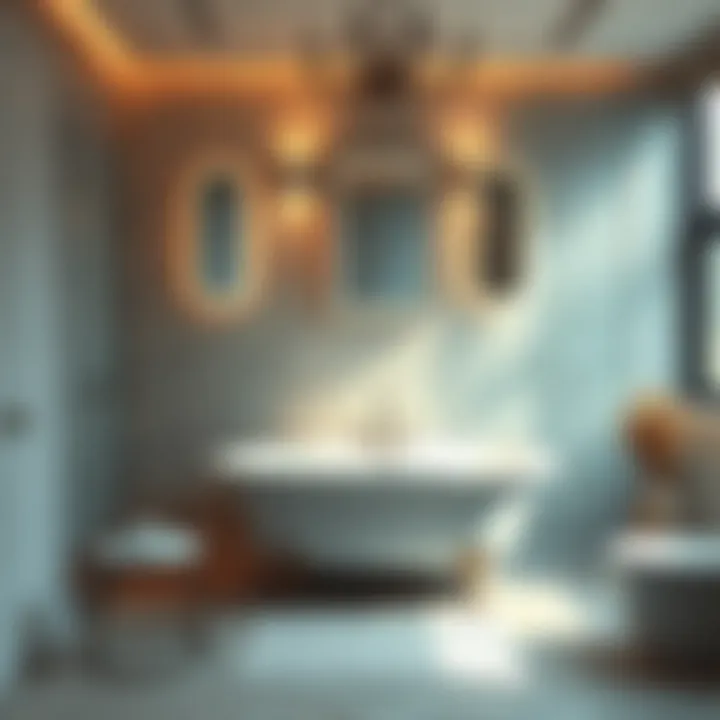
For many, the installation of wallboard can be a straightforward task. Many materials are lightweight and can be cut easily to fit specific dimensions, which makes the process less daunting. This user-friendly aspect means homeowners—or anyone willing to roll up their sleeves—can often undertake installation themselves.
Plenty of resources and step-by-step guides are available online, simplifying what could be a complicated project. Not only does this save on labor costs, but it also empowers homeowners with the confidence that they’ve added a personal touch to their space.
Installation Process of Bathroom Wallboard
Installing bathroom wallboard is a crucial segment of the overall renovation or construction process. It has its share of importance and advantages, chiefly revolving around ensuring a well-finished and functional space. Taking time to do it right can save headaches down the line.
The installation process involves several steps that set the groundwork for a sturdy, water-resistant bathroom, which is particularly vital in areas that experience high moisture levels. One of the striking benefits is the potential for a seamless fit, contributing not just to durability but also to the overall aesthetic of the bathroom.
Preparation Steps
Before you dive into any installation, solid preparation is the cornerstone of success. It’s like the calm before the storm — you want to ensure that everything is lined up just right.
Tools Required
When it comes to tools required for installation, having the right arsenal ready is paramount. Starting with the basics, you'll want items like a utility knife, measuring tape, drywall saw, screws, and a level. Each tool plays a specific role in the process. For example, a utility knife is essential for making precise cuts in the wallboard. Without the right tools, you might find yourself in a pickle, dealing with misalignments that can really throw a wrench in the works later.
Moreover, some might argue that a stud finder is a must-have for locating wall studs before securing the boards. It saves time and helps in correctly affixing the wallboard, ensuring it doesn’t sag or shift, which can become a nuisance with moist environments.
Safety Considerations
While we often focus on tools and techniques, safety ought to be front and center. Ensuring you have protective eyewear and gloves might seem minor, but they can make a significant difference. The job involves cutting and maybe even lifting heavy boards, so protecting yourself from accidents is non-negotiable.
What sets safety considerations apart is the impact they can have on not just your health, but the outcome of your installation. Following proper guidelines helps in avoiding injury, which is as imprudent as having a leaky pipe after all your hard work. Plus, no one wants the hassle of redoing a job due to an injury sustained during the process.
Step-by-Step Installation Guide
Once you’ve got the tools and safety gear in place, the next step is rolling up your sleeves and getting down to business.
Measuring and Marking
Measuring and marking isn't just basic math; it’s about precision. Using a measuring tape accurately can mean the world of difference. If you miss the mark, you’ll find yourself refurbishing areas that should have been smooth as pie. Furthermore, it contributes to a professional finish.
One key characteristic of this step in the installation process is its unforgiving nature: a small miscalculation can lead to misaligned boards which are not only unattractive but also might lead to moisture problems down the line.
Mounting Techniques
Next is the actual mounting. It might sound simple, but there’s art in it. Depending on your wall material and layout, methods can vary. A common method includes using screws to attach the board to the studs, resulting in a solid structure. When done right, it can feel like assembling a puzzle, where everything just clicks into place without fuss.
The unique feature about the mounting techniques is that they can influence the longevity of your wallboard. Over-tightening can damage the board while under-tightening can lead to future sagging, creating a need for further work.
Finishing Touches
You’ve made it to the finishing touches! This step is a cherry on top that often gets overlooked, but it’s vital. Applying joint tape and mud to smooth out seams not only contributes to the structure but elevates the overall aesthetic. This is where final adjustments happen, nudging everything to perfection.
The key characteristic here is blending everything in seamlessly — and a little patience goes a long way. Skipping out on this can lead to unsightly seams that detract from the bathroom’s polished look.
In summary, the installation process of bathroom wallboard isn’t just a task; it’s a carefully choreographed dance of preparation, execution, and finishing. Each component plays a part in ensuring durability and aesthetic appeal, making it integral to bathroom design that stands the test of time.
Maintenance of Bathroom Wallboard
Maintaining bathroom wallboard not only ensures the aesthetic appeal of your bathroom but also contributes significantly to the longevity of the materials used. Regular upkeep prevents deterioration caused by moisture, a common challenge in the humid bathroom environment. Understanding how to care for wallboard can save homeowners from costly repairs down the line, and ensuring it remains both functional and visually pleasing is not just practical, it could be a game changer for your overall bathroom experience.
Regular Cleaning Tips
Keeping bathroom wallboard clean is akin to maintaining a well-groomed garden; a little attention goes a long way. Start with gentle cleaning solutions that don’t attack the surface or disrupt the board’s integrity.
- Soft Cloths and Gentle Cleaners: Use a cloth dampened with warm water and a mild detergent. Avoid harsh chemicals as they can weaken the material over time.
- Spot Cleaning Stains: For stubborn spots, try a paste of baking soda and water, gently scrubbing with a soft brush. Rinse thoroughly and dry afterward to prevent moisture buildup.
- Frequency of Cleaning: Aim to clean wallboards at least once a month. This keeps harsh mildew and buildup at bay and ensures your bathroom stays fresh.
Signs of Damage
Recognizing signs of damage early can mean the difference between a minor fix and a major overhaul. Being vigilant about potential issues can save time and money.
Moisture Indicators
Moisture indicators are essential cues that something may be amiss with your wallboard. This could range from discoloration to a slight warping of materials. If you spot bumps or bulges, it signals a need for immediate action.
- The key characteristic of moisture indicators is their visibility; often, they appear as water stains or even peeling.
- Early detection is beneficial for preventing further damage, keeping repair costs lower. Addressing these indicators promptly can protect your entire bathroom structure, making it a crucial aspect to monitor.
Mold and Mildew Growth
Mold and mildew can develop quickly in the bathroom, particularly in unventilated spaces or where water accumulates. This growth is not only unsightly but can also pose health risks to you and your family.
- It’s notorious for its key characteristic of producing a musty smell, which is an indication that action must be taken. Ignoring this can damage the wallboard and lead to more significant health issues down the line.
- Regular monitoring and quick action can lead to advantages such as sustaining the bathroom’s integrity and ensuring your family’s health is protected. However, it can also bring about the disadvantage of requiring more thorough cleaning routines and possibly even mold remediation if not kept in check.
"A stitch in time saves nine," applies well to the maintenance of bathroom wallboard. A little vigilance can prevent a host of problems later on, ensuring the space remains as inviting as it can be.
By staying ahead of regular cleaning and being aware of damage signs, you can prolong the life of your bathroom wallboard, maintaining both its function and design.
Innovative Design Trends
In the ever-evolving world of interior design, particularly in bathroom spaces, innovative design trends play a pivotal role. These trends not only influence aesthetics but also enhance the functionality of bathroom wallboards. By incorporating fresh ideas and sustainable practices, homeowners can elevate the ambiance of their bathrooms while ensuring they meet practical needs.
Textured Wallboards
Textured wallboards are gaining popularity for their ability to add depth and character to bathroom spaces. Unlike plain surfaces, these wallboards come in various patterns and finishes, which can create visual interest. For example, a subtle wood grain texture can evoke a sense of warmth and nature, while geometric patterns might appeal to those seeking a more modern vibe.
These textures can also help hide imperfections in the wall structure, making them a practical choice in addition to their aesthetic appeal. They are easy to maintain; a simple wipe-down is usually all that's needed to keep them looking sharp. From a design perspective, the tactile nature of textured wallboards also invites a more sensory experience—creating a bathroom space that feels more inviting and layered.
Eco-Friendly Options
As environmental awareness grows, eco-friendly wallboard options are surfacing in bathroom design. Materials such as reclaimed wood, bamboo, and even recycled composites are becoming mainstream choices for those looking to minimize their ecological footprint. These materials offer not only sustainability but also unique visual aesthetics that can’t be replicated by conventional options.
Using eco-friendly wallboards can also contribute to better indoor air quality, as many of them are free from harmful chemicals and toxins. This aspect is crucial, especially in small spaces like bathrooms where ventilation can sometimes be limited. Additionally, opting for sustainable products often reflects the homeowner’s values, aligning design choices with personal beliefs to create a harmonious living space.
Customizable Designs
Customization allows homeowners to take control of their space's aesthetic, enabling them to express their unique taste and personality through bathroom wallboard designs. This process can be divided mainly into two key approaches:
DIY Projects
Engaging in DIY projects relating to wallboard installation and decoration can be not only rewarding but also budget-friendly. By applying personal creativity, homeowners can craft bespoke designs that fit perfectly within their vision—categorically transforming their bathrooms into unique sanctuaries.
For instance, some opt for stenciling or painting their textured wallboards to achieve a specific look, while layers of paint can create stunning visual depth. DIY projects appeal to those who enjoy hands-on work, giving a fulfilling sense of accomplishment while ultimately saving on renovation costs. However, it’s always advisable to measure your skills and knowledge carefully; a poorly executed DIY project could lead to more problems later.
Collaboration with Designers
On the flip side, collaborating with designers can elevate a bathroom’s look significantly. Partnering with an expert ensures that wallboard selections are not only aesthetically pleasing but also functionally sound. Designers bring a wealth of understanding about trends, materials, and installation, helping homeowners navigate through choices efficiently.
This collaboration can often streamline the decision-making process, as designers can provide mock-ups that visualize how different materials and textures will play out in the space. While engaging a designer can incur extra costs, their expertise can lead to stunning transformations that are often worth the investment.
Innovative design trends in bathroom wallboards do not merely concern style; they encapsulate practicality, sustainability, and creativity that resonate deeply with modern homeowners.
In summary, embracing innovative wallboard designs—be it through textured surfaces, eco-friendly options, or customized approaches—can significantly enhance any bathroom's appeal and functionality. With countless possibilities available, homeowners can tailor their spaces to perfectly reflect their tastes.
The End
The conclusion of this article ties together the vital elements regarding bathroom wallboard. Understanding these components is essential for anyone looking to transform their bathroom into a compelling combination of beauty and function. By exploring the various types of wallboard, their benefits, and installation methods, readers are better equipped to make informed decisions in their home design endeavors.
Recapitulation of Key Points
Throughout this guide, we've journeyed through the multifaceted realm of bathroom wallboard. Here are the significant takeaways:
- Defining Bathroom Wallboard: This is essential for specifying choices that align with both aesthetic and practical needs.
- Types of Materials: Gypsum board, fiber cement board, and water-resistant particle board each offer their unique advantages, from moisture resistance to cost efficiency.
- Advantages: Enhanced moisture control, aesthetic versatility, and ease of installation make wallboard an attractive choice.
- Installation Process: Knowing the preparation needed and mastering step-by-step installation ensures a successful application.
- Maintenance: Regular upkeep and recognition of damage signs help in prolonging the lifespan of wallboard.
- Innovative Design Trends: Embracing options like textured wallboards and eco-friendly materials can refresh your bathroom’s look.
This conclusion synthesizes all these elements into a cohesive understanding, highlighting their interconnectivity in enhancing a bathroom's environment.
Encouragement for Personal Exploration
As we wrap up, it’s crucial to inspire one’s imagination. The world of bathroom wallboard is not just about utility; it’s also an invitation to experiment and express your style. Visit your local home improvement store or browse design blogs for inspiration. Consider collaborating with a designer who can bring a fresh perspective tailored to your needs. The possibilities are endless: think about integrating textured wallboards or even going green with eco-conscious choices.
Every homeowner can benefit from taking the plunge into DIY projects or renovation ideas involving wallboard. Don’t hesitate to make it a family affair—getting everyone involved makes the process enjoyable and meaningful. Ultimately, your bathroom can be both a personal sanctuary and a functional space. So, take the bull by the horns and let your creativity lead the way in designing a bathroom that reflects who you are.
“The best journeys answer questions you didn’t even think to ask.”
Let this be a journey of transformation, understanding, and personal flair, as you explore the ample possibilities with bathroom wallboard.
For more detailed insights and design inspiration, you might find useful resources at Wikipedia, or check out discussions on platforms like Reddit. Happy renovating!