Feng Shui Bedroom Wall Art: Harmonizing Your Space
Intro
Creating a harmonious space in your bedroom can significantly enhance your sense of well-being. Wall art plays a pivotal role in achieving this, especially when guided by the principles of Feng Shui. Understanding how to select, place, and theme your artwork can turn your bedroom into a serene sanctuary that reflects both personal energy and the essential balance espoused by Feng Shui.
In this article, we will explore how wall art contributes to the overall ambiance of a bedroom. We’ll delve into key aspects such as appropriate color palettes, popular styles, and strategic placement. By gaining insights into these elements, you can create an environment that is not only visually appealing but also nurturing and restorative. This narrative serves as a comprehensive guide, enabling you to transform your sleeping space into a tranquil retreat.
Understanding Feng Shui Principles
Feng Shui, a practice steeped in ancient Chinese philosophy, focuses on creating harmony and balance within an environment. The principles of Feng Shui are crucial when it comes to arranging your bedroom and selecting wall art, as they guide the flow of energy or qi. Understanding these principles can profoundly impact your overall well-being and create a peaceful refuge where one can relax and rejuvenate.
Fundamentals of Feng Shui
At its core, Feng Shui revolves around the idea that our surroundings influence our emotions and behavior. Think of it like this: just as the atmosphere of a room can lift your spirits or dampen your mood, so too can the arrangement and concept of the physical space. A crucial component of Feng Shui is the Chi, which is the life force that flows through everything. Artworks can serve as vessels for this energy, either enhancing or hindering its movement.
For instance, a serene landscape painting can foster relaxation, encouraging a sense of tranquility, while vibrant abstract compositions might inject a level of excitement and energy into the room. It’s all about understanding what energy you wish to cultivate in your personal sanctuary.
The Importance of Energy Flow
In Feng Shui, the unobstructed flow of energy is essential for promoting peace and stability. If energy stagnates, it can create discomfort and even tension in your life. The placement and choice of wall art significantly impact how this flow is perceived and felt. A well-placed piece can redirect energy, promoting optimism and mental clarity.
Consider areas in your bedroom where energy might stagnate; these are commonly corners or smaller wall sections. This is where thoughtful choices in artwork could make a world of difference. Choose art that resonates with you and encourages positivity—this might be pictures of loved ones, uplifting quotes, or nature scenes that bring peaceful imagery to your space.
"Your home should be an extension of yourself, fostering your passions and happiness."
Yin and Yang Concepts
The principle of Yin and Yang is foundational in Feng Shui, representing the dual forces of the universe. Yin relates to feminine energy—calm, cool, and nurturing—while Yang signifies masculine energy—active, bright, and assertive. Achieving a balance of both is essential in creating a harmonious environment.
When selecting wall art, consider the balance of these energies. Soft, muted colors or calming images would typically embody Yin, while vibrant, bolder pieces might channel Yang. The goal isn't to favor one over the other; rather, it’s about achieving a blend that fuels a balanced mood in the bedroom. A piece that combines elements from both energies can be particularly powerful, an example being a serene landscape with sudden bursts of vibrant color.
The Role of Wall Art in the Bedroom
In creating a harmonious bedroom environment, wall art plays a pivotal role that often goes unnoticed. While many may think of art purely as decorative, in the context of Feng Shui, it carries much deeper significance. When thoughtfully selected and placed, wall art can elevate the energy within a space, encouraging tranquility, romance, and well-being.
Art is more than just visual stimulation; it serves as an energy enhancer. The right piece of art can uplift the spirit and foster a sense of peace. This isn’t merely about aesthetics—it's about how the art resonates with the inhabitants of the space. When one walks into a bedroom adorned with carefully chosen pieces, there’s an immediate sense of comfort and balance, knitting together the various elements of the room into a cohesive whole.
Art as Energy Enhancer
In the realm of Feng Shui, it's often said that art has the potential to enhance the chi, or energy, of a space. This is especially true in the bedroom, a sanctuary where one seeks rest and rejuvenation. When selecting wall art, consider pieces that evoke positive emotions. Images of serene landscapes, enchanting florals, or metaphorical representations of love can instill tranquility, painting a picture of peace.
The choice of medium matters as well; paintings often bring warmth and softness, while photographs can evoke memories and personal connections. Here are some aspects to ponder:
- Personality Integration: Every piece should resonate with your character and experiences. Choose art that tells a story or connects to cherished memories.
- Symbolic Imagery: Consider artwork that represents your aspirations or values; for example, a painting of a horizon can symbolize new beginnings.
- Brightness and Tone: Opt for vibrant colors to invigorate the space or muted tones for calmness. This is where the nuances of color theory intertwine beautifully with visual art.
"In Feng Shui, art is not just about what looks good, but about what feels good. Choose pieces that resonate deeply, and you’ll set the stage for an energetic balance."
Creating Visual Balance
When it comes to arranging wall art, visual balance is key. A bedroom that reflects beauty is inherently a balanced space. This means not just considering the visual weight of each piece but also how they relate to each other within the overall layout of the room.
To achieve this balance, think about the dimensions and placements of your art. For instance:
- Symmetrical Arrangements: Placing similar-sized pieces opposite one another can create a sense of stability. For instance, if you have a large canvas over the bed, consider smaller, complementary works on either end of a dresser or nightstand.
- Color Coordination: Use a color palette that ties your artwork together, ensuring that the hues contribute to a cohesive appearance while aligning with Feng Shui principles.
- Layering Textures: Different textures in your artwork—whether it’s a glossy canvas next to a raw wood frame—can add depth and interest without overwhelming the senses.
Effectively, when art is arranged with careful consideration, it can help to create a flow within the bedroom, allowing for serenity and grounding energy, thus enhancing emotional and mental stability in one’s personal sanctuary.
Choosing the Right Themes for Wall Art
When it comes to creating a peaceful and rejuvenating space in the bedroom, the theme of the wall art can play a pivotal role. Selecting the right themes can uplift the mood, promote positive energy, and align with the principles of Feng Shui. The specific elements that define the themes resonate with personal emotions and establish the overall ambiance of the room. It is paramount to consider not just aesthetics but also the benefits that each theme brings. Here are some crucial aspects to regard when choosing themes:
- Personality Reflection: Art should reflect your character and interests.
- Emotional Response: Different themes evoke varying feelings - opt for those that bring you happiness.
- Alignment with Feng Shui: Ensure that your selected themes complement the flow of energy in your space.
By harmonizing themes with Feng Shui values, you can create a serene environment that is not just visually appealing but mentally soothing as well.
Nature and Serenity
Bringing elements of nature into your bedroom wall art can powerfully transform the energy of the space. Nature-themed artworks—such as landscapes, floral designs, or tranquil water imagery—instill a sense of serenity, inviting calmness into your surroundings. These images often remind people of open skies, lush greenery, or soothing waters, which provided relaxation and healing during ancient times.
The benefits of nature-themed art cannot be overstated:
- Stress Relief: Looking at natural scenes can lower stress levels.
- Connection to Earth: Nature themes help ground you, enhancing your sense of stability.
- Air Quality: Indirectly, images of plants symbolize cleaner air, promoting better breathability in your environment.
This kind of artwork can be particularly effective in bedrooms, where a restful atmosphere is crucial for rejuvenation after a long day.
Abstract vs. Figurative Art
The choice between abstract and figurative art is not merely visual but can deliver insightful impacts on your emotional state. While abstract art tends to invite personal interpretation, often conveying suggestions rather than truths, figurative art presents direct representations, be it human figures or objects.
- Abstract Art: Offers an opportunity for free thought, often provoking curiosity. This form invites individual reflection and can elicit various interpretations, all valid in the context of your personal experience.
- Figurative Art: Tends to provide a clearer narrative or emotion, resonating with those who seek a direct connection with the imagery presented.
The ideal choice between the two ultimately rests on your personal preferences. However, ensuring that whichever style you choose aligns with the energy flow in your bedroom is essential for maintaining balance.
Personal Connection and Emotion
It's not just about visualization; it's about the emotional resonance that art brings into your bedroom. Selecting artworks that hold personal significance can create a profound relationship with your environment. When your chosen pieces evoke positive emotions or memories, they can significantly influence mood and energy flow in the space.
Consider some points:
- Memorable Experiences: Art that reflects cherished moments can act as daily reminders of joy and contentment.
- Cultural Symbols: Incorporating elements from your cultural background can enhance feelings of belonging and comfort.
- Affirmative Imagery: Pieces that feature motivational motifs can inspire you daily, contributing to a mindset of optimism.
All in all, wall art is not just decoration; it becomes an integral part of the energy in your home. By emphasizing personal connection and emotion, you make your space a sanctuary that promotes healing and tranquility.
"Art is the most beautiful of all lies; it is the ultimate expression of self."
In essence, choosing the appropriate themes for wall art in your bedroom can significantly impact your well-being, and thus, spending time to make the right selections is a worthy endeavor.
Color Theory in Wall Art
Understanding color theory is crucial when selecting wall art for your bedroom. Every color possesses unique qualities and can evoke a myriad of feelings and responses within the viewer. In the context of Feng Shui, where the aim is to create balance and harmony, choosing the correct colors can significantly enhance not just the visual appeal of your space but also its energetic quality.
When you consider wall art, think not only about how it looks but also about how it affects the mood and emotional state of everyone who enters the room. Colors have the power to uplift or dampen one's spirit, and that can deeply influence your sense of tranquility and restfulness.
Colors that Promote Calmness
In Feng Shui, certain colors are known to foster a peaceful atmosphere. Soft hues like light blue, pale greens, and gentle lavenders are often associated with a soothing ambiance. For instance:
- Light Blue: Reminds one of the sky and ocean. It is a calming shade that promotes feelings of serenity and introspection, making it perfect for a restful space.
- Soft Green: This earthy color connects with nature. It embodies balance and harmony, alleviating stress and enhancing relaxation.
- Lavender: A delicate mix of blue and purple, this color promotes tranquility while also encouraging spiritual awareness.
Choosing wall art that incorporates these soothing colors can help create a restful retreat within your bedroom. A piece depicting serene landscapes or abstract forms in these tones can complement the overall goal of promoting a harmonious energy flow.
"The proper color can transform a space, enhancing emotions just as much as visual appeal, allowing you to feel more centered and at peace within your sanctuary."
Hues to Avoid in the Bedroom
On the flip side, there are certain colors that might hinder your quest for peace and balance. Bright or overly intense hues such as fluorescent pinks or bold reds can ignite energy rather than soothe it. Here are some colors you might want to steer clear of:
- Bold Red: While it can symbolize passion and excitement, in the bedroom, it may cause restlessness or even aggression, disrupting the tranquil environment needed for sleep.
- Yellows: Bright yellows may stimulate the mind too much, making it difficult to wind down and relax. Opt for softer shades if you like yellow's warmth.
- Overly Dark Shades: Colors like charcoal or deep navy can make the room feel heavy or cold if not properly balanced with lighter elements.
By avoiding these colors, you’re taking a significant step toward creating a balanced environment that reflects the principles of Feng Shui. Using wall art strategically, with colors in mind, can add layers of meaning and emotion to your space, ensuring it serves its purpose as a sanctuary of rest and rejuvenation.
Placement of Wall Art
When it comes to the bedroom, the placement of wall art plays a crucial role in enhancing both aesthetics and energy flow. In the realm of Feng Shui, strategic positioning can make or break the overall vibe of your sanctuary. Art doesn’t merely sit on the wall; it interacts with the space and affects the feelings of those within it.
Optimal Wall Positions
Finding the right wall to hang your chosen pieces goes beyond just liking the view. Here's what to consider:
- Above the Bed: Art can bring a focal point, particularly if hung above the bed. It creates a nurturing atmosphere, so opt for calming images that invoke peace and relaxation. Avoid heavy or aggressive imagery, as such pieces could feel oppressive.
- Opposite the Door: Placing art across from the entrance can create a welcoming feeling. It’s an opportunity to design a pleasant sight for anyone entering the room, ensuring it feels inviting.
- Corners: If you have a corner wall, that could be a space to shake things up. A tall piece here can draw the eye upward, giving the illusion of a more spacious area.
It's about striking a balance. Each wall offers a different opportunity for engagement, so assess the layout carefully.
Height and Visibility Considerations
The height at which you place your artwork is just as significant as which wall you choose. Hang art at eye level to allow viewers a direct connection to the pieces. For adults, this typically means the center of the art should be around 57 to 60 inches from the ground.
- Consider Different Perspectives: If children or pets frequent the bedroom, adjust placements accordingly. Lower hanging pieces might be a better choice in shared spaces.
- Layering Sizes: Use both large and small pieces in strategic arrangements but keep in mind the visibility. Ensure that larger pieces don't overpower smaller ones. The goal is harmony, not chaos.
Avoiding Clutter
While it might be tempting to deck every inch of wall space with art, too much can lead to a chaotic atmosphere. In Feng Shui, clutter disrupts energy flow and can create anxiety. Here are some tips to maintain order:
- Select Quality Over Quantity: Instead of filling walls with numerous pieces, choose a few that speak to you. Focus on their meaning and the energy they bring into the space.
- Negative Space: Don’t underestimate the power of negative space. Allowing room for air around your artwork can enhance its presence and impact.
- Regular Review: Make it a habit to review your art choices. Keep what resonates with your current mood or phase in life, and be willing to rotate out pieces that no longer feel right.
"Art is not what you see, but what you make others see." – Edgar Degas
Integrating Personal Style with Feng Shui
Integrating personal style with Feng Shui is more than just placing pretty pictures on a wall. It’s about tapping into your individuality while respecting the ancient principles of energy flow that Feng Shui embodies. By marrying your artistic preference with Feng Shui philosophy, you create a space that reflects who you are, fosters tranquility, and supports well-being.
When you incorporate your personal style into your bedroom wall art, you’re not just throwing up decor; you’re crafting a sanctuary that resonates with your essence. It's crucial to note, though, that this integration isn't haphazard. Consider how your choices impact energy, as Feng Shui thrives on harmony and balance.
Balancing Aesthetic and Energy
Art selections should extend beyond what catches your eye. While vibrant colors and striking patterns may seem appealing, they must also align with the type of energy you wish to cultivate in your bedroom. A calm, restorative environment often benefits from soft hues and soothing images. For example, instead of a bold piece of abstract art that might stir restlessness, opt for a gentle landscape painting with pastel shades. This doesn't mean sacrificing your taste; it's about finding artworks that enhance the energy rather than disrupt it.
It’s a delicate dance, really. You might love the vibrant energy of modern art, yet realize it might not be the best for the intimate space of a bedroom. The aim is to channel joy, serenity, and inspiration through choices that resonate with your style while adhering to Feng Shui guidelines.
Personal Symbols and Meaning
Personal symbols can be a powerful element in your wall art choices. Think about imagery that has significant meaning in your life. It could be something as simple as a framed family photo, a piece that embodies your travels, or artwork that represents your aspirations. These personal touches can foster a sense of belonging and comfort in your space.
For instance, if you're an avid nature lover, incorporating artwork that showcases your love for forests or oceans can connect you to a grounding energy. That connection can promote relaxation, soothing your spirit whenever you gaze at it. It’s essential to ensure that whatever pieces you choose, they speak to you on a deeper level, reminding you of positive experiences or values.
"Art is the most beautiful of all lies. But the right art can help tell your story while inviting good energy into your space."
When personal symbols are woven into your art choices, they will not only decorate your walls but also elevate your mood and mindset. This approach can enhance the energy within your bedroom, transforming it into a true personal sanctuary that reflects not just style, but also feelings and spirit.
Materials and Textures in Wall Art
In Feng Shui, the materials and textures of wall art are crucial elements that can significantly influence the energy flow within a bedroom. The choice of these elements goes beyond mere aesthetic appeal; they directly impact the sensations and emotions evoked in the space. A well-selected piece of art does not just sit on the wall, but it interacts with the energy dynamics—creating an ambiance that can either uplift or weigh down the environment.
When creating a balanced environment, it's essential to consider how different materials resonate with your personal energy and the overall mood you wish to foster in your bedroom. Natural materials such as wood, glass, and metals often convey a sense of authenticity and warmth, while synthetic options might lack the organic feel that many seek in a peaceful sanctuary. Understanding these subtleties allows you to tailor your wall art choices to nurture a sense of calm and safety.
Choosing Natural vs. Synthetic Materials
Selecting between natural and synthetic materials for wall art can significantly affect the atmosphere of your bedroom.
- Natural materials such as canvas, wood, or stone bring with them the essence of nature. These materials can promote a calming energy, resonate well with the heart chakra, and foster a connection to the earth. For instance, a wooden frame around a serene landscape painting can enhance feelings of grounding in your space.
- On the other hand, synthetic materials like plastic or metal might not evoke the same emotional response. They often feel less personal and may disrupt the harmonious energy flow desired in a Feng Shui setting. While some synthetic pieces can mimic natural textures effectively, the absence of authentic materials can lead to a sense of detachment.
Ultimately, the ideal choice often lies in a balance. For instance, incorporating metal accents in a predominantly wood-based art piece can generate an attractive contrast while maintaining the desired vibe of tranquility.
Effects of Texture on Feng Shui
Texture plays a vital role in Feng Shui, especially in the context of wall art. Smooth textures can impart a sense of peace and tranquility, whereas rough or sharp textures might unintentionally introduce chaos or disquiet. For example, a textured canvas depicting gentle waves can evoke calmness, while a jagged metal sculpture might disrupt the harmonious energy flow.
- Consider the perceived weight of the texture, too. Heavier textures can make a room feel more enclosed, potentially stifling that free-flowing energy essential for relaxation. On the flip side, light and airy textures tend to uplift the overall atmosphere, creating a feeling of openness.
- Additionally, adding a variety of textures can engage the senses. Think about layering different art pieces that complement each other. A soft fabric artwork contrasted with a sleek metal piece can create a dynamic yet harmonious interplay of energies.
In summary, materials and textures in wall art are not merely superficial choices; they are vital components in sculpting the energy landscape of your bedroom. By consciously selecting these elements, you align with Feng Shui principles that promote a nurturing and balanced environment.
Maintaining Artistic Harmony
In the realm of Feng Shui, maintaining artistic harmony in your bedroom isn't just about filling wall space with pretty pictures. It's a process of cultivating a sense of balance and tranquility, which directly influences your well-being.
Art is a means of expression; it reflects your personality, emotions, and life experiences. When the selected pieces resonate with your spirit, they can create a harmonious atmosphere conducive to rest and rejuvenation. Understanding how to refresh and adjust your artwork is key in allowing your space to evolve with you, fostering a continuous flow of positive energy.
Benefits of Maintaining Artistic Harmony
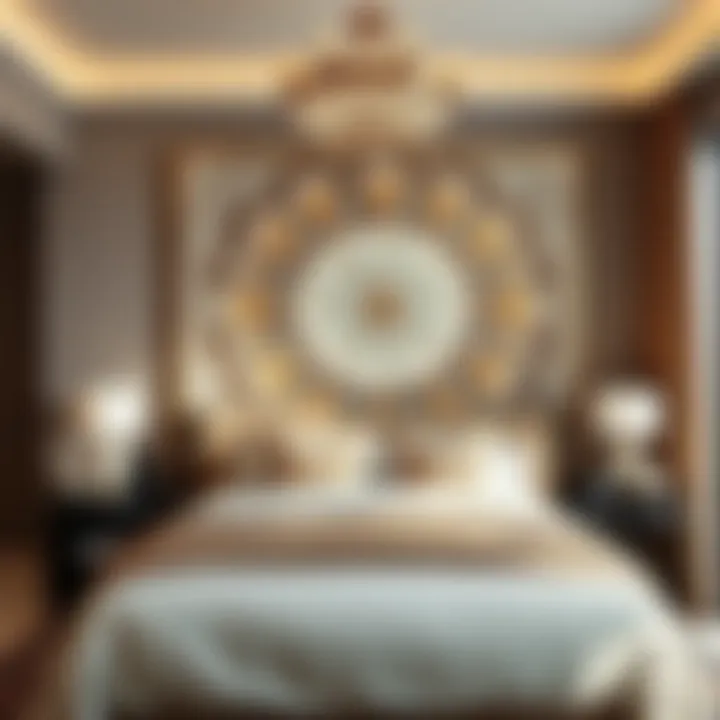
- Emotional Wellness: A thoughtfully curated environment can uplift your mood and promote relaxation, essential for quality sleep.
- Energy Balancing: When wall art aligns with the principles of Feng Shui, it helps to eliminate stagnant energy, paving the way for emotional clarity and physical comfort.
- Aesthetic Appeal: Harmonious art doesn't just enhance energy flow; it also pleases the eye, making your bedroom a more inviting space.
Refreshing Your Art Choices
Refreshing your art choices is not only about swapping old pieces for new ones. It’s about evaluating the current energy each artwork brings into the room. When an artwork no longer resonates with you, it can create feelings of stagnation, which can be detrimental to your restful space.
To keep your collection dynamic and engaging:
- Rotate Art Pieces: Change out the artwork on a seasonal basis. This keeps your environment fresh and can even reflect the changing inspirations from nature outside your window.
- Consider Personal Growth: As you develop and evolve, so do your tastes and perspectives. Don’t hesitate to replace artwork that may not reflect your current self.
- Engage the Senses: Choose pieces that not only appeal visually but also resonate on a deeper emotional or psychological level. This can be through color, subject matter, or the artist’s intent.
Ultimately, it is crucial to replace artwork in a manner that feels effortless, letting your intuition guide you.
Seasonal Adjustments for Art Displays
Adapting your wall art to the changing seasons can be extraordinarily beneficial not just for aesthetics but also for the overall energy of your bedroom. As nature cycles through its various stages, so should your bedroom reflect these changes.
Here’s how to adjust your display through the seasons:
- Winter: Emphasize warmth and coziness with art that features rich colors like deep reds or soft browns. Focus on imagery that invokes comfort and inner peace.
- Spring: As flowers bloom outside, bring in floral and vibrant pieces that reflect renewal. Soft pastels can create a fresh atmosphere full of vitality.
- Summer: Bright and lively pieces can enhance the active energy of summer. Think beach scenes, lush greenery, or lively abstract works that encourage warmth and openness.
- Autumn: Incorporate warmer tones and reflect on artworks featuring themes of gratitude and abundance. This is a time for introspection, making it a great opportunity for pieces that promote calm.
Adjusting your art not only keeps the space looking fresh but also resonates with the natural cycles of life, thereby enhancing your overall Feng Shui and creating an inviting atmosphere.
"Art is not what you see, but what you make others see." – Edgar Degas
Every piece should tell a story; a reflection of your life journey, integrated into the carefully curated energies of your sanctuary.
Sourcing Artwork
Sourcing artwork effectively is crucial in the context of creating a harmonious space that adheres to Feng Shui principles. The artwork you choose can profoundly influence the ambiance of your bedroom, serving as a reflection of your personal taste and energy. When selecting art, several elements come into play, including the style, theme, and origin of the pieces. Moreover, thoughtful sourcing can not only enhance aesthetic appeal but also embed positive vibrations into your living environment.
With regards to benefits, engaging local artists or utilizing online platforms broadens your choices while fostering a deeper connection to the pieces. Each artwork has its energy field, and how you integrate these into your personal sanctuary can determine the overall tranquility and vibrancy of your space. Below, we will explore two main avenues for sourcing artwork in more depth: local artists and galleries as well as online marketplaces and custom options.
Local Artists and Galleries
Exploring local artists and galleries offers a unique opportunity to find one-of-a-kind pieces that resonate with your spirit. Visiting a gallery allows you to immerse yourself in the local art scene and discover the talent nestled within your community. Supporting local artists not only enriches your space but also contributes positively to your local economy.
When engaging with local artists, consider the following:
- Connection: Meeting the artist and understanding their inspiration can forge a deeper emotional connection to the artwork.
- Originality: Local artists often present distinctive styles that you won’t find in mass-produced works. This uniqueness can truly enhance your intimate space.
- Versatility: Many artists are open to commissions, allowing you the chance to curate a piece that aligns perfectly with your Feng Shui vision.
Think also of galleries as spaces for exploration. They often host exhibitions, allowing you to view multiple styles and themes in one visit. This kind of environment encourages inspiration and contemplation. So, the next time you’re out and about, check out nearby galleries and local fairs that showcase artistic talent. Your bedroom deserves art that speaks to your soul.
Online Marketplaces and Custom Options
Online marketplaces have transformed the way we access art, making it easier to find the pieces that fit your Feng Shui principles. Websites like Etsy and Saatchi Art provide hunters of hidden treasures a rich digital realm to explore. In addition to ready-made selections, countless artists offer custom options tailored to your needs and preferences.
Advantages of online sourcing include:
- Vast Selection: The internet opens up a floodgate to diverse styles from around the globe. You’re no longer limited to what is available locally.
- Ease of Comparison: You can easily compare artwork, styles, and prices from different sellers without leaving the comfort of your home.
- Custom Creations: Many artists can adapt their work to fit specific dimensions, colors, or themes, making synergy with your intended Feng Shui energy more feasible.
Before making a purchase, always check reviews, shipping policies, and return options to ensure you’re making an informed decision. Take the time to understand the energy of the pieces—and remember, art should speak to you!
Culmination
In bringing the discussion to a close, it's essential to highlight the significance of thoughtfully selecting and positioning wall art in the bedroom to align with Feng Shui principles. This article has delved into various aspects, emphasizing the fundamental role of art in nurturing a balanced and soothing environment. The careful selection of themes, colors, and materials contributes not just to aesthetic appeal but also to personal well-being.
Summarizing Key Insights
Take a moment to reflect on the key insights shared:
- Art as a Reflection of Self: Your bedroom’s wall art should resonate with your personal experiences and aspirations. The pieces you choose effectively become a visual diary, narrating your story to both you and your guests.
- Colors Matter: It’s clear that colors play a monumental role in fostering calmness or energy in the space. Opt for soothing hues to create a sanctuary, while being mindful of colors to steer clear of that may evoke anxiety.
- Thoughtful Placement Is Key: Where you place your art can dramatically influence the energy flow within your room. Consider wall positions, height, and ensuring that your chosen pieces do not contribute to a sense of clutter.
As you digest these insights, remember that the ultimate aim is for your bedroom to be a tranquil haven where you can unwind and rejuvenate.
Encouraging Thoughtful Choices
The final thought is about the conscious choices you make in curating your bedroom space. Feng Shui is not merely a set of rules but a holistic approach to ensuring your environment serves you well. Consider the following:
- Prioritize Connection: Choose art that makes you feel joyful or peaceful. Whether it’s a serene landscape or meaningful abstract, let the artwork speak to your soul.
- Embrace Change: Don’t hesitate to refresh the art as your tastes evolve. Seasonal adjustments can breathe new life into your space, aligning the ambiance with both your current mindset and the external world.
- Support Local Talent: By sourcing art from local artists, you not only beautify your space but also foster creativity in your community. It brings a unique character to your environment that mass-produced art lacks.
By embracing these practices, you not only harmonize your bedroom with Feng Shui principles but also create a personalized space that fosters well-being and relaxation.
"Art enables us to find ourselves and lose ourselves at the same time." - Thomas Merton