Hummingbird Bath Fountain: A Complete Homeowner's Guide
Intro
In recent years, as society becomes increasingly attuned to its ecological footprints, many homeowners are striving to create inviting outdoor spaces that not only enhance their immediate surroundings but also support local wildlife. One feature that stands out in achieving this goal is the hummingbird bath fountain. Integrating such a piece into a garden or backyard not only attracts these delicate birds but also serves as a beautiful focal point of your landscape design.
The appeal of a hummingbird bath fountain lies not just in its aesthetic charm but also in its multifunctionality. It can act as a unique water source offering hydration for these vibrant creatures, and its design can lend elegance to your outdoor setting. In this guide, we will explore current trends in hummingbird bath fountains, provide visual inspiration, and offer practical tips on maintenance and installation.
This will help you make informed decisions in creating a harmonious environment that resonates with both nature lovers and casual observers alike.
Current Trends
As we look at the landscape of hummingbird bath fountains, some key trends emerge, particularly concerning design elements and color choices.
Color Palettes
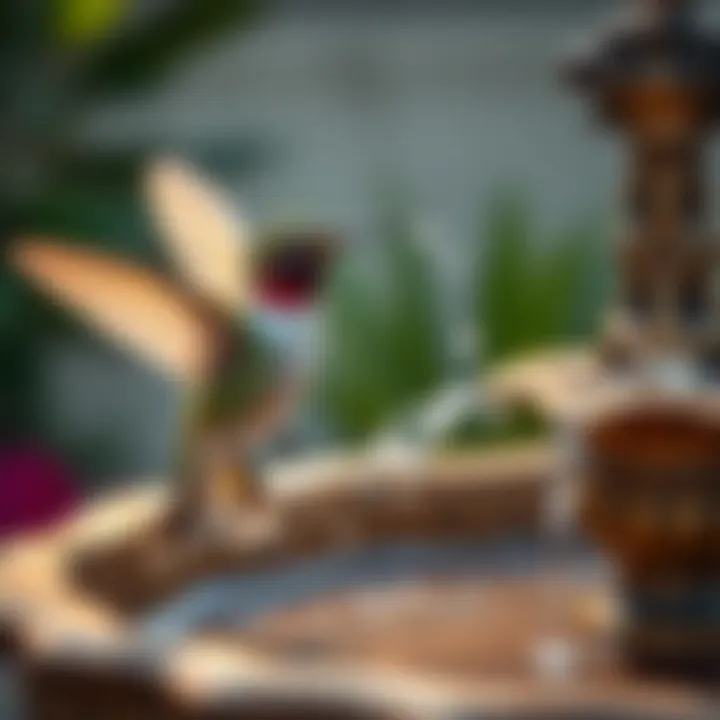
When selecting a hummingbird bath fountain, color is an essential element. Many homeowners are now opting for earth tones, such as soft greens and browns, which complement natural vegetation. These colors blend seamlessly into the garden, offering a serene backdrop for the darting iridescence of hummingbirds. Additionally, shades like weathered copper and aged stone can add a rustic charm, enhancing the organic feel of the space.
However, bold hues are also making a statement. Turquoise and deep reds attract attention and can create a vibrant focal point. When hummingbirds approach, their bright plumage against a colorful fountain creates a captivating visual experience.
Popular Styles
There's a delightful diversity in the styles of hummingbird bath fountains available today. Homeowners can choose from:
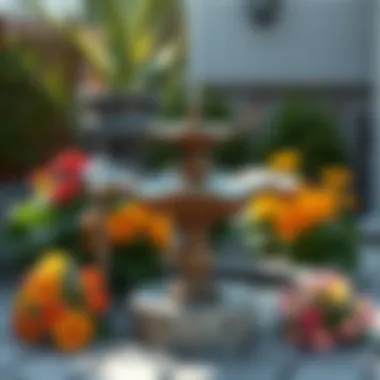
- Classic Tiered Fountains: These fountains feature multiple bowls stacked upon each other, allowing water to cascade downwards. They evoke a sense of timeless elegance and add a classical touch to gardens.
- Modern Designs: Some prefer sleek lines and contemporary materials like stainless steel and glass. These fountains tend to create a minimalist aesthetic that appeals to modern sensibilities.
- Naturalistic Styles: Designs mimicking natural stones and organic shapes are particularly popular among those who strive for an untamed, wild garden look. These fountains often have integrated rocks and boulders, making them look as though they belong in nature.
- Rustic Options: Crafted from reclaimed wood or weathered materials, these fountains imbue a sense of history and warmth, appealing to the nostalgia of simpler times.
To create an inviting environment, it is essential to choose a style and color palette that resonates with both the hummingbird's beauty and your architectural surroundings.
Visual Ideas
As you think about bringing a hummingbird bath fountain into your space, visual inspiration can be helpful. Here are ways to consider how to integrate these fountains effectively:
Gallery of Styled Gardens
Exploring successful garden installations can provide valuable insights into what works. Websites such as Pinterest or Houzz offer numerous images showing how a hummingbird bath fountain fits into diverse garden styles—from lush, tropical layouts to minimalist Zen gardens.
Before-and-After Transformations
Consider searching for transformations showcasing the impact of adding a hummingbird bath fountain. The change can be stunning; something as simple as adding a styled fountain can bring a dull garden to life, making it more inviting for both people and wildlife. Many homeowners share their experiences on platforms like Reddit through community gardening threads.
When designing any outdoor space, remember that every detail counts. The right hummingbird bath fountain can become a cherished spot where nature and design come together, fostering connections among your family, guests, and the winged visitors who stop by!
Foreword to Hummingbird Bath Fountains
Creating an inviting outdoor environment can be quite a delightful journey. Among the various additions to gardens and patios, hummingbird bath fountains have carved out a unique niche. These charming features do more than just beautify the landscape; they serve essential purposes that benefit both the birds and the garden itself.
Hummingbird bath fountains provide a crucial source of water for these delicate creatures. Unlike typical bird baths, the gentle flow and movement of water can attract hummingbirds significantly more. When the sun shines, these fountains glimmer beautifully, drawing in the eye and encouraging the vibrant birds to come for a drink or a splash.
Defining Hummingbird Bath Fountains
Hummingbird bath fountains are specialized water features designed specifically to cater to the needs of hummingbirds. They combine the elements of a bath and a fountain, offering a shallow basin filled with water, accompanied by a gentle trickle or spray of water. This setup simulates a natural water source that hummingbirds find appealing. The movement of water ensures it stays fresh and clean, making it a safe spot for these spirited creatures to drink and bathe. Additionally, these fountains can vary in size, style, and materials, allowing homeowners to choose one that fits their garden aesthetic.
Historical Context and Cultural Significance
The introduction of garden features aimed at attracting wildlife is not merely a modern phenomenon. Historically, many cultures have revered birds, including hummingbirds, for their beauty and symbolic significance. In various Native American traditions, hummingbirds represent joy, love, and good luck. Gardens designed with bird features date back centuries, as ancient civilizations understood the importance of fostering a connection with nature. The hummingbird bath fountain reflects a blend of art and function, inviting these lovely birds while enhancing the garden's appeal. As contemporary society increasingly values ecological balance, incorporating such elements resonates with individuals who appreciate nature's complexity and beauty.
Importance of Hummingbird Bath Fountains in Gardens
Hummingbird bath fountains are not just decorative elements; they serve multiple purposes that enrich both our gardens and the local ecosystem. These captivating installations attract our feathered friends while adding a touch of serenity and beauty to outdoor spaces. By understanding their significance, homeowners can make informed decisions on incorporating these features into their gardens, ensuring they create welcoming habitats for hummingbirds while enjoying aesthetic enhancements.
Ecological Impact on Local Wildlife
Integrating a hummingbird bath fountain into your garden positively influences local wildlife in various ways. First and foremost, these fountains provide a vital water source. In regions where natural water is scarce, a bath fountain acts as a lifeline for hummingbirds, particularly during dry spells. More than just thirst-quenching, these fountains offer birds a safe and convenient spot to bathe, promoting their well-being and hygiene.
When hummingbirds feel welcome, they often visit more frequently. This not only benefits them but also supports local pollination efforts. As they sip nectar from flowers and rest nearby, they play a pivotal role in pollinating a wide range of plants. Thus, establishing a hummingbird-friendly fountain can lead to a flourishing garden ecosystem. A diverse array of plants can provide food and nesting options, attracting other beneficial wildlife species, which creates a vibrant and dynamic garden.
"Water sources like fountains enhance biodiversity and create ecological balance in gardens by attracting and supporting various wildlife species."
Enhancing Aesthetic Appeal
With their flowing water and often intricate designs, hummingbird bath fountains significantly elevate the visual appeal of any garden. The sight of birds flitting around the waters can be a delight, captivating both the homeowner and any guests who visit. Furthermore, these fountains can be crafted from various materials, such as ceramic, stone, or metal, each providing a distinct style that can complement different garden themes.
In a world where outdoor spaces are extensions of our homes, designing a pleasing outdoor environment enhances our lifestyle. The sound of trickling water can create a calming ambiance, making your outdoor area a perfect retreat after a long day. Whether you prefer a grandiose multilayered design or a more rustic, understated look, there is a fountain that can seamlessly fit into your vision.
Consider incorporating colorful flowers and lush plants around the fountain. A thoughtfully landscaped area not only prepares a beautiful setting for hummingbirds but also creates a stunning visual display for all. The way sunlight glints off the water’s surface can contribute to a dynamic atmosphere, drawing attention and encouraging both human and avian visitors.
In summary, the addition of hummingbird bath fountains in gardens offers ecological benefits to local wildlife and significantly enhances the landscape's aesthetic appeal. Homeowners can enjoy the lush beauty and the playful visits of the hummingbirds, creating a win-win scenario for all involved.
Choosing the Right Hummingbird Bath Fountain
Selecting the correct hummingbird bath fountain is a cornerstone of ensuring that your garden becomes a favored stopping place for these enchanting creatures. It’s not just about adding a decorative element to your outdoor space. Instead, this choice directly influences the overall functionality of your fountain, its appeal to hummingbirds, and its longevity.
By understanding the integral parts to consider, including materials, size, design, features, and functions, you can create a harmonious garden environment that both you and the hummingbirds will appreciate.
Materials and Durability
The materials used in constructing a hummingbird bath fountain play a pivotal role in ensuring its durability and performance. Common materials include ceramic, stone, metal, and plastic. Each comes with its own set of pros and cons.
For instance, ceramic fountains tend to offer beautiful aesthetics, bringing a certain charm to your garden. While they are visually appealing, they can be quite fragile and susceptible to breaking under adverse weather conditions. On the other hand, stone fountains are incredibly durable and can withstand harsh conditions, but they often weigh a fair bit, which makes placement an essential consideration.
Metal fountains, typically made of stainless steel or aluminum, can lend a modern touch to your garden. These materials resist rust but can heat up under the sun, possibly leading to water temperatures that might deter hummingbirds. Lastly, plastic options are often lightweight and affordable, but might not endure the test of time as well as other materials. Careful thought on durability relative to your climate can lead to longer-lasting enjoyment.
"A well-chosen hummingbird bath can be the difference between a quiet garden and a vibrant haven of activity."
Size and Design Considerations
In terms of size, the hummingbird bath fountain must fit comfortably within your garden space. Too large, and it may overpower the natural landscape; too small, and it might go unnoticed. A typical fountain designed for hummingbirds should provide enough space for them to perch and engage in bathing or drinking.
When it comes to design, consider the overall aesthetic of your garden. Whether you're leaning toward a rustic, classical, or modern look, your fountain should harmonize with existing elements. Adding features like decorative rocks or flower embellishments can further create an inviting place for both birds and observers. Keep in mind also that bright colors can catch the attention of hummingbirds, enticing them to visit.
Features and Functions
A hummingbird bath fountain that serves multiple functions can significantly enhance its utility in your garden. Features such as water misters or drippers not only provide hydration but also help create a gentle mist that is visually pleasing and beneficial for birds.
Some fountains come equipped with built-in solar panels, making them eco-friendly and efficient. These solar models are generally easier to maintain, as they don't rely on electrical outlets and can be placed anywhere that receives sunlight. Also, consider models that include filtration systems to keep the water clean and fresh, which will encourage more frequent visits from hummingbirds.
Incorporating a fountain with adjustable water levels can also benefit various bird species, not just hummingbirds, creating a more biodiverse garden environment. Different birds prefer different water depths, so this can substantially enhance the attractiveness of your outdoor space.
In summation, paying attention to materials, size, design, and features when choosing your hummingbird bath fountain will ultimately define the success of attracting these beautiful birds to your garden. Make informed decisions to create a sanctuary that not only adds beauty but also serves a critical ecological function.
Installing Your Hummingbird Bath Fountain
Setting up a hummingbird bath fountain in your garden is not just about aesthetics; it’s also about creating a welcoming environment for these tiny birds. The task might seem straightforward, but there’s more to it than meets the eye. Understanding the nuances of placement, installation, and the overall strategic approach can make your fountain a magnet for hummingbirds. Proper installation ensures these delightful creatures visit frequently and enjoy the features you’ve prepared for them.
Location and Placement
Choosing the right location for your hummingbird bath fountain is crucial. A poorly placed fountain may not attract hummingbirds as much as a well-situated one. Here are some key factors to consider:
- Sunlight: Hummingbirds are attracted to warmth. Ideally, place your fountain in an area that gets partial sun, allowing the water to warm naturally without becoming too hot.
- Safety: Make sure the fountain is away from potential predators like cats or other small animals that might disrupt their visit. A location near bushes or low hanging branches can provide a safe retreat for the birds.
- Visibility: Think of how the birds will approach the fountain. A visible location allows hummingbirds to spot it easily while flying around. Furthermore, you might want to place it near flowering plants that also attract these birds; the combination can draw them in more effectively.
- Accessibility: Ensure the fountain isn’t too far from your viewing areas, such as porches or patios. You’ll want to enjoy watching those hummingbirds as they flit about.
Basic Installation Steps
Installing a hummingbird bath fountain can be broken down into a few manageable steps:
- Gather Tools and Materials: You’ll need a level, a shovel, and perhaps some decorative stones or gravel for the base, depending on your fountain’s design.
- Prepare the Site: Clear the chosen area of debris and level the ground. This helps ensure stability and prevents water accumulation, which can lead to mold or algae problems.
- Set the Fountain Base: If your fountain has a base, ensure it sits firmly on the prepared ground. It should be stable enough to hold the weight of the fountain when it's filled with water.
- Connect Water Supply: If your fountain runs on a pump, connect it according to the manufacturer’s instructions. Pay attention to the water flow rate to ensure it creates just the right splash – a gentle cascade can attract hummingbirds effectively without overwhelming them.
- Water Installation: Fill the fountain with fresh water after setting everything up. Keep the water level appropriate so the hummingbirds can bathe but not drown.
- Test the Functionality: Once installed, turn on the fountain and observe its water flow. Make adjustments as necessary to achieve the desired effect, ensuring it’s not too loud, which could deter the birds.
Having a well-placed and correctly installed hummingbird bath fountain can significantly enhance your garden. It encourages not only hummingbirds, but a variety of wildlife that contributes to a thriving ecosystem.
“Having a peaceful outlet in your garden, such as a hummingbird bath fountain, is not merely an aesthetic choice; it’s a way to connect with nature.”
By paying close attention to the installation details, you create a habitat for hummingbirds that benefits them and offers you the joy of watching these remarkable birds as they come to visit.
Maintaining Your Hummingbird Bath Fountain
Maintaining your hummingbird bath fountain is not just an act of keeping it looking nice. It plays a crucial role in ensuring the health of the birds that frequent it, as well as the overall effectiveness of the fountain itself. A well-kept fountain can become a sanctuary for these delicate creatures, drawing them in and providing them a reliable source of hydration. Similar to caring for a beloved garden, regular maintenance is essential for a thriving experience.
Cleaning and Water Management
One of the fundamental aspects of maintaining your hummingbird bath fountain is proper cleaning and water management. It’s vital to keep the water fresh and clean, as stale water can lead to algae growth and potential health issues for the birds.
- Frequency of Cleaning: Ideally, you should clean the fountain at least once a week during the warmer months. If your area experiences heavy rainfall or intense heat, this schedule might need to ramp up.
- Cleaning Steps:
- Water Management:
- Start by emptying the fountain.
- Use a gentle scrub brush or cloth with a vinegar-water solution to eliminate any dirt. Vinegar is great, as it’s effective and safe for the birds.
- Rinse thoroughly to avoid any residue.
- Always refill your fountain a day or two after cleaning, allowing the water to become familiar to the hummingbirds.
- Consider adding a water conditioner specific for bird baths if you notice any low-quality tap water in your area.
Consistent cleaning helps maintain clear water and minimizes the risk of pests which might scare off your feathered guests. Remember, a little effort goes a long way in attracting and retaining hummingbirds.
Repairing Common Issues
Like any outdoor feature, hummngbird bath fountains can develop issues over time. Knowing how to tackle common problems can save you time, money, and create a more functional fountain experience.
- Clogs and Blockages: If the fountain is not flowing as it should, check for clogs. Leaves, twigs, or debris can restrict water flow. A simple periodic inspection can help.
- Pump Issues: If your fountain uses a pump that is not producing sounds or proper flow, first ensure it’s plugged in. Check for any damaged cables or connections. Sometimes, pumps require cleaning to remove mineral deposits or muck. If that doesn't work, you may need to consult the manufacturer’s guidelines for repairs or replacements.
"Regularly checking and promptly addressing issues not only keeps your fountain at its best but ensures the hummingbirds feel comfortable and safe visiting your outdoor haven."
- Leaks: Inspect regularly for any leaks, especially if the water level drops more quickly than it should. Sealant can often fix small leaks; larger issues may call for replacement parts or even a new fountain altogether.
Regular maintenance is key to keeping your hummingbird bath fountain a haven for both your feathered friends and yourself. By ensuring a clean, functional, and attractive feature in your garden, you contribute positively to your local ecosystem while getting to enjoy the beauty and joy these splendid birds bring.
Design Ideas for Hummingbird Bath Fountains
When it comes to integrating a hummingbird bath fountain into your garden, the design can make all the difference. It isn’t just about utility; it’s about creating an inviting space that attracts these delicate creatures while simultaneously enhancing the overall aesthetics of your outdoor sanctuary. These design ideas not only serve the hummingbirds’ needs but also contribute to the visual appeal of your home, making the space more vibrant and lively.
Incorporating Color and Texture
A big part of what draws hummingbirds isn’t just the water itself, but the colors and textures in their environment. Flowers that bloom in bright reds, oranges, and pinks are especially appealing to them. When designing a bath fountain, consider the color palette that will complement your existing flora.
- Vibrant Features: Look for fountains that feature bright colors, such as vibrant ceramic finishes or painted metal. These can dash against the green backdrop of your garden, drawing attention instantly.
- Textural Variety: Include materials that provide varied textures, like rough stones paired with smooth ceramic. The contrast can create visual interest and mimic the natural habitats hummingbirds are drawn to.
- Planters and Surrounding Flora: If space allows, surround your fountain with potted flowers or plants that are rich in nectar. Not only will this engage the hummingbirds visually, but it also creates a mini-ecosystem that can support their foraging habits.
"Colorful fountains not only appeal to hummingbirds but also enhance the overall design of your garden space, creating a coordinated look that is both inviting and lively."
Integrating Natural Elements
Creating a hummingbird bath fountain that mirrors nature would require integrating natural elements into the design. This approach can foster an environment where these creatures feel at home.
- Natural Stones: Utilize stones you might find in local landscapes to construct the fountain. This not only creates a habitat that’s in harmony with the local ecosystem but also provides a rustic charm that synthetic materials can’t replicate.
- Mimicking Water Features: Design your fountain to resemble a natural water source, like a small stream or a pond. Adding gentle waterfalls or bubbling water flow can mimic the soothing sounds of nature, inviting hummingbirds to stop by for a drink.
- Plant Integration: Use native plants in and around the fountain area. Plants like bee balm, lantana, and salvia can thrive well under the fountain’s mist and serve as nectar sources. This not only helps edges and plants survive longer but also establishes a conducive environment for hummingbirds.
By creatively incorporating color, texture, and natural elements into your hummingbird bath fountain design, you can craft an oasis that captures the essence of nature while providing essential resources for these amazing birds. A well-thought-out design won’t just beautify your garden; it will create a harmonious atmosphere that enchants both hummingbirds and humans alike.
Encouraging Hummingbird Visits
Creating a hospitable environment for hummingbirds is like rolling out the red carpet for these tiny wonders of nature. By encouraging their visits, not only do you get to witness their marvelous aerial acrobatics and vibrant colors, but you also play a crucial role in maintaining a balanced ecosystem. Hummingbirds are vital pollinators, helping many of the plants in your garden thrive. To attract them, a few thoughtful adjustments can make your garden a buzzing haven for these birds.
Creating a Hummingbird-Friendly Garden
To transform your outdoor space into a hummingbird mecca, you need to focus on a few key elements. Here’s a list of impactful factors:
- Diverse Plant Selection: Opt for native flowering plants like bee balm, salvia, and trumpet vine. These flowers not only provide nectar but are also well adapted to the local climate and soil conditions.
- Color Considerations: Bright, bold colors—especially red, orange, and pink—tend to attract hummingbirds’ attention. It’s like hanging a neon sign saying, "Free food here!".
- Continuous Blooming: Choose plants that bloom at different times throughout the growing season. This ensures a consistent food source as the birds migrate through your area.
- Clean Water Sources: Along with a hummingbird bath fountain, smaller dishes with fresh water can also be enticing. They love to play and bathe, which keeps them cool and helps them care for their feathers.
- Minimize Pesticides: Chemicals can be harmful not only to hummingbirds but also to their food sources. Adopt organic methods like using natural pest control to keep your garden healthy and vibrant.
Another essential factor is planting in clusters rather than individual plants spread around. Dense plantings maximize visibility and encourage hummingbirds to stop by.
Seasonal Considerations and Tips
One must remember that the changing seasons bring different needs for hummingbirds. Here’s how to adjust:
- Spring: This is when hummingbirds return from their winter migrations. Start with early blooming flowers to give them a warm welcome. Fill your feeder with a sugar-water mix (1 part sugar to 4 parts water) to provide a quick energy boost.
- Summer: As temperatures rise, ensure your water sources remain clean and fresh. Regularly refill the fountain and feeders to keep them hydrated.
- Fall: Hummingbirds will be in a feeding frenzy to pack on weight before migration. Add late-blooming plants like asters to support their needs and maintain feeders until you see no more birds for at least two weeks.
- Winter: Depending on your climate, some hummingbirds may stay year-round or migrating birds may not return. Adjust your care for any remaining birds by providing warm, accessible sources of food and water until they leave.
"Providing an inviting space for hummingbirds not only benefits them but connects us back to nature in ways that inspire and nurture."
The Ecological Perspective
Understanding the ecological perspective when it comes to hummingbird bath fountains offers a well-rounded view of their role within residential and community spaces. It’s not merely about aesthetics or functionality; these fountains can significantly impact the surrounding ecosystem. When homeowners incorporate a hummingbird bath fountain, they do more than just create a visual centerpiece in their gardens – they actively contribute to the health and vitality of local wildlife.
Benefits to Local Ecosystems
A hummingbird bath fountain serves as a vital resource for wildlife, particularly for hummingbirds, which are known for their rapid wingbeats and vibrant plumage. Their presence indicates a healthy environment, supported by ample food sources and clean water. Here are a few benefits to local ecosystems that hummingbird bath fountains provide:
- Water Source: Hummingbirds require water for hydration and play, making fountains essential. In neighborhoods where natural water sources are scarce, a fountain can be a beacon for these tiny birds.
- Pollination Support: The presence of hummingbirds boosts plant pollination. As they flit from flower to fountain and back, they carry pollen, thus enhancing the reproduction of native plants.
- Insect Control: Hummingbirds consume insects and pests, reducing their population in gardens and yards. This natural pest control contributes to a healthier garden ecosystem.
These elements underscore the fountain's role in promoting not just individual well-being of hummingbirds but also enriching the broader ecosystem.
Fostering Biodiversity
Fostering biodiversity within your garden goes beyond just adding aesthetic value. By introducing a hummingbird bath fountain, you create an inviting atmosphere that encourages various specieses to thrive. Here’s how it nurtures biodiversity:
- Attracting Various Species: While hummingbirds are the primary visitors, other birds such as finches and sparrows may also be drawn to the water source, creating a more diverse bird population in your garden.
- Habitat Creation: The fountain contributes to a microhabitat, which can support a variety of life forms, from amphibians to beneficial insects. This interconnected community promotes ecological balance.
- Enhancing Plant Growth: With increased pollination from hummingbirds, the diversity of flowering plants can flourish, further enriching the ecosystem.
"Every small effort counts in creating our gardens as fluid ecosystems. A hummingbird bath fountain doesn’t just attract birds; it invites life in its many forms."
In this way, your choice to include a hummingbird bath fountain can drive a ripple effect that supports and enhances ecological diversity, underscoring the interconnectedness of life in your yard. The impact may seem small at first glance, but collectively, these actions can lead to meaningful changes in local environments.
By focusing on these aspects, homeowners can feel empowered knowing they are not only beautifying their spaces but also aligning their gardens with the principles of ecological stewardship.
Choosing Sustainable Materials
When considering the addition of a hummingbird bath fountain to your garden, it's crucial to think about the materials you select for its construction. The importance of choosing sustainable materials goes beyond aesthetic appeal and durability; it aligns with a broader commitment to environmental responsibility. By opting for eco-friendly choices, homeowners not only contribute to environmental well-being but also ensure that their garden's ecosystem flourishes.
Eco-Friendly Alternatives
Looking for alternatives to traditional materials can be a game-changer for your hummingbird bath project. For example, instead of conventional plastic or non-recyclable metals, you can explore the use of bamboo or recycled glass.


- Natural Stone: This not only blends beautifully into a garden setting but is also sustainable. Stone is durable and withstands the elements better than many synthetic materials.
- Recycled Materials: Using components made from recycled bottles or metals can reduce waste while providing a unique touch to your fountain.
- Ceramics: Opting for pottery made from clay can be both stunning and practical. Clay dishes can provide a natural look and are often crafted locally, reducing transportation emissions.
These choices resonate well with eco-conscious individuals, ensuring that the aesthetics of your garden fountain do not come at the cost of compromising the environment.
Long-Term Environmental Impact
The long-term effects of utilizing sustainable materials for your hummingbird bath fountain cannot be underestimated. As concerns about climate change and habitat destruction rise, many individuals look towards practices that support sustainability.
- Reduction of Carbon Footprint: Utilizing local resources minimizes the carbon footprint associated with transporting materials. For example, when you use locally sourced stone or ceramics, the need for long-distance shipping is diminished, leading to lower greenhouse gas emissions.
- Support for Biodiversity: Eco-friendly materials often promote better living conditions for wildlife. Natural resources can blend seamlessly into the habitat, encouraging various species, not just hummingbirds, to visit your garden.
- Durability: Sustainable materials, while often more expensive upfront, tend to last longer than their less eco-friendly counterparts. For instance, a natural stone or high-quality ceramic fountain will resist weathering, requiring less frequent replacement, which ultimately conserves resources.
"Sustainability not only helps nurture a healthier environment but allows for a lasting connection between nature and our lives."
Case Studies and Examples
Exploring the practical applications of hummingbird bath fountains offers invaluable insights into how they enhance gardens beyond mere aesthetics. These real-world examples illustrate the benefits and considerations for homeowners, showcasing the various successes and challenges faced by enthusiasts who have integrated these charming features into their outdoor spaces.
Successful Implementations
Successful hummingbird bath fountain projects are often marked not just by their attractive designs, but also by their ability to draw in hummingbirds effectively. Take, for instance, a case in a suburban neighborhood in Ohio. One homeowner chose a mason jar-style fountain, flooding the area with a gentle burble of water. They positioned it near flowering shrubs rich in nectar, effectively creating a welcoming oasis for hummingbirds.
This setup wasn’t just a pretty sight; it became a focal point of the garden, sparking conversations at neighborhood gatherings. The homeowner reported an increase in hummingbird visits, with colorful feeders nearby complementing the fountain’s allure. This example demonstrates how thoughtful placement and design choices can yield vibrant wildlife interaction, which benefits local biodiversity.
Key takeaways from this successful installation include:
- Design Harmony: The mason jar fountain blended with the garden’s natural elements, creating a visually appealing look.
- Placement Strategy: Positioning the fountain close to flowering plants significantly increased hummingbird activity.
- Community Engagement: The fountain served as a conversation starter, encouraging others in the neighborhood to consider similar setups.
Missteps and Lessons Learned
Not every implementation goes off without a hitch. In another instance, a family in California placed their hummingbird bath fountain too far from any flowering plants, resulting in minimal bird activity. The children loved the sound of running water, but the lack of nectar sources meant that hummingbirds bypassed the fountain. The family learned a valuable lesson about the importance of ecological placement.
Moreover, initial attempts to use a vibrant blue color for the fountain attracted other local wildlife, but not the desired hummingbirds. After a few months, they adjusted by opting for more natural tones that harmonized with their garden's palette. They also added native flowering plants to pique the interest of the birds, successfully turning around the project.
Lessons from this experience include:
- Ecological Synergy: Always consider the surrounding environment to encourage wildlife visits.
- Color and Material Choices: The right color and material can affect attraction rates, so aim for natural aesthetics.
- Adapting Strategies: Sometimes, trial and error leads to the best adjustments, especially in encouraging wildlife interactions.
Finding the perfect balance between function and aesthetics is key. Every garden is unique, and tailoring your approach will ensure a thriving ecosystem.
Engaging with these case studies can illuminate practical strategies for readers looking to enhance their own outdoor spaces. A hummingbird bath fountain, when implemented thoughtfully, can become more than just an ornamental feature— it becomes a vital part of the garden’s ecosystem.
Educational Resources and Further Reading
In the realm of creating and maintaining a hummingbird bath fountain, the journey doesn't end with installation. To fully appreciate the beauty and ecological importance of these fountains, it's beneficial to delve into various educational resources. Such knowledge equips homeowners and enthusiasts not only with practical skills but also with a deeper understanding of the fascinating world of hummingbirds. Whether you're looking to enhance your current setup or simply broaden your knowledge, exploring these resources can offer invaluable insights.
Learning about hummingbird behaviors, preferences, and ecological roles can significantly enrich the experience of birdwatching and gardening alike. The following sections outline essential books, journals, and online platforms that focus on hummingbirds and their habitats, providing a well-rounded collection of materials for any avid nature lover.
Books and Journals on Hummingbirds
When it comes to gathering in-depth knowledge about hummingbirds, books and scholarly journals are invaluable. They provide a wealth of information ranging from migratory patterns to nesting habits, fostering a profound appreciation of these tiny flyers:
- "Hummingbirds of North America" by Paul A. Johnsgard: This book is a pioneer in the field, offering detailed insights and illustrations that make it a must-read for any hummingbird aficionado.
- "The Hummingbird Handbook" by John C. Robinson: A practical guide that not only discusses how to attract and care for hummingbirds in your garden but also delves into their biology.
- Journals such as "The Condor" or "Wilson Journal of Ornithology" contain peer-reviewed articles about hummingbird ecology and conservation efforts, providing reliable and scientifically-backed information.
Besides general information, these works often include references to current research trends, conservation issues, and effective methodologies for attracting hummingbirds. Each page can serve as a stepping stone toward understanding these magnificent creatures better.
Online Communities and Forums
The rapid growth of digital platforms has paved the way for diverse online communities and forums dedicated to hummingbird lovers. Engaging with these communities can foster learning and sharing experiences:
- Reddit forums like r/hummingbirds provide a space where enthusiasts share photos, tips, and personal stories. You can ask questions, receive feedback, and connect with other bird lovers.
- Facebook groups centered around birdwatching often feature members discussing their setups, showcasing their own hummingbird fountains, or sharing successful plants that attract these birds. A few thumbs-up or a simple comment can open conversations that deepen your understanding.
- Websites like BirdWatchingDaily.com and HummingbirdGarden.com also offer articles, tips, and products that can be explored to align your setup with best practices based on real experiences from other bird watchers.
These forums not only cultivate a sense of community but also keep you up to date with the latest tips and findings in the hummingbird world.
In our pursuit of knowledge, we discover the profound connections we share with nature, empowering us to create spaces that nurture life.
Embracing these resources effectively contributes to a richer outdoor experience. Whether through comprehension gathered from books or interactions within online forums, the objective is to cultivate an environment that welcomes hummingbirds and enhances the joy of observing them.
Epilogue
In wrapping up this exploration into hummingbird bath fountains, it’s crucial to understand their significance beyond mere aesthetics. These fountains serve as sanctuaries for our feathered friends, offering not only a refreshing drink but also a vital habitat that enhances local biodiversity. As communities make strides towards fostering more nature-inclusive spaces, these installations become key components in residential gardens.
Summary of Key Points
- Ecological Benefits: Hummingbird bath fountains attract pollinators, ensuring local flora benefits from these tiny gardeners. Their presence can also help maintain healthy ecosystems by encouraging other wildlife to thrive.
- Aesthetic Enhancements: A well-placed fountain adds charm to any garden. From elegant designs to colorful mosaics, these features can tie outdoor spaces together beautifully, elevating the overall environment.
- Maintenance and Sustainability: Choosing the right materials and understanding basic upkeep can extend the life of these fountains. Selecting eco-friendly options helps ensure our gardens remain sustainable while reducing our environmental footprint.
- Engagement: Homes with hummingbird bath fountains create an inviting space for both the birds and those who enjoy watching them. This intimate connection with nature can enrich everyday life significantly.
Future Trends in Hummingbird Bath Fountains
Looking ahead, several trends appear poised to shape the future of hummingbird bath fountains.
- Smart Features: Emerging technology could introduce features like automated fill systems or water temperature regulation, ensuring a comfortable and inviting environment for birds.
- Eco-Conscious Designs: As environmental awareness grows, future designs will likely prioritize sustainable materials, perhaps integrating solar-powered pumps that enhance functionality without harming the environment.
- Diverse Styles: More innovative designs incorporating varied artistic styles—from rustic to modern chic—will emerge, allowing homeowners to choose fountains that complement their personal aesthetics while continuing to serve ecological purposes.
- Educational Resources: Increased availability of guides and community workshops will facilitate better understanding and engagement, allowing individuals to create gardens that are not only beautiful but also nurturing to wildlife.
"A hummingbird fountain isn’t just a garden feature; it’s a lifeline for delicate ecosystems, encouraging a harmonious human-nature relationship."
In summary, as we look to the future, the integration of hummingbird bath fountains is poised to become a stronger aspect of garden design, reflecting a blend of style, sustainability, and ecological advocacy. A deeper connection with nature is not just desirable—it's necessary for the well-being of our planet.