Single Sink Vanity Cabinets: Design and Trends


Intro
When it comes to designing a bathroom, every piece of furniture matters. The single sink vanity cabinet is more than just a practical storage solution; it’s a key player in setting the tone and functionality of the space. Picture it: a carefully curated cabinet that blends seamlessly with your decor while providing adequate storage for your day-to-day necessities. This article aims to shine a light on the intricate aspects of single sink vanity cabinets, from their design philosophies to their practical advantages and the trends shaping this essential bathroom feature.
As we navigate through this topic, we will explore current trends that dictate the aesthetic choices of homeowners. We will dive into the color palettes invigorating modern bathrooms and dissect popular styles that have taken center stage in recent years. But it won’t just be about looks. A well-designed vanity tows the line between utility and elegance, providing smart organizational solutions for everything from toiletries to towels.
So whether you're a seasoned homeowner or a newbie in the realm of bathroom renovations, this guide is tailored for you. It serves as a roadmap, showcasing innovative ideas and practical tips crafted to help you transform your bathroom into a serene and functional oasis.
Prologue to Bathroom Single Sink Vanity Cabinets
Bathroom single sink vanity cabinets serve a pivotal role in domestic spaces. These vanities are more than just functional; they are a blend of aesthetics and practicality that can define the character of a bathroom. Each cabinet reflects personal taste and compliments the entirety of the space, making the process of choosing one quite significant.
The primary purpose of a single sink vanity cabinet is clear: it provides a dedicated area for personal grooming while offering essential storage solutions for toiletries and linens. Yet, the influence of such a piece extends beyond utility. The right design can elevate the overall ambiance of a bathroom, transforming a mundane wash area into a serene sanctuary.
Definition and Purpose
At its most basic level, a bathroom single sink vanity cabinet is a multifunctional furniture piece that combines a sink, storage, and often, a countertop. Its core definition is wrapped around the idea of convenience and organization.
"Quality cabinetry not only makes your life easier but can also enhance your home’s resale value."
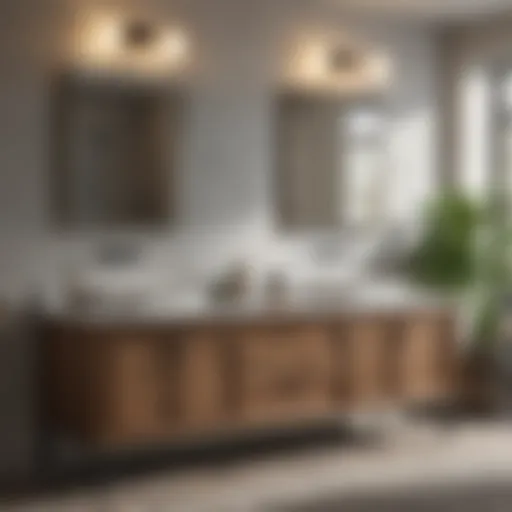
One might consider how a beautifully crafted vanity, made of natural wood or sleek composite, can evoke a warm, inviting feel. In contrast, a modern metal cabinet with clean lines might suggest a contemporary vibe, reflecting a homeowner's style.
Historical Context
The journey of the vanity cabinet is quite fascinating. In ancient cultures, similar structures existed not as we see them today, but as makeshift areas for grooming. Traditional designs like the Roman basin or the ancient Chinese washstand offered glimpse into the innovations that would shape future vanity trends. In the past few centuries, as indoor plumbing became mainstream, the bathroom evolved from a purely utilitarian space to one of leisure.
By the 19th century, the single vanity began to gain popularity in Western homes. The Victorian era, in particular, saw grand designs that incorporated not just functionality but intricate details in design. Fast forward to the mid-20th century, minimalism started taking shape, leading to the sleek designs we often admire today.
Now, much like the moon reflecting light, modern single sink vanity cabinets shine with endless options, integrating contemporary trends with an individual touch. They not only offer practical use but also present an opportunity for homeowners to express creativity and taste in their bathrooms.
Design Considerations
The design of a bathroom single sink vanity cabinet plays a critical role in shaping not only the aesthetic appeal but also the practical function of the space. This section touches upon elements that should be taken into account to ensure a harmonious blend of style and utility, thus allowing homeowners to create a cohesive environment. The right design can enhance storage, improve accessibility, and contribute to the overall ambiance of a bathroom. Understanding different considerations can be the difference between a cluttered space and a serene sanctuary.
Size and Scale
When contemplating a bathroom vanity, size and scale are paramount. The dimensions of the vanity must correspond with the bathroom's layout. A hefty cabinet in a compact restroom could feel like a gorilla in a parlor, while a petite vanity might seem lost in a spacious setting. Aim for a balance that allows the cabinet to be functional without overwhelming the area.
Here are a few pointers to consider:
- Measure first: Before deciding on a vanity, take accurate measurements of the bathroom space. This often involves more than just the width—it includes considerations for height and depth as well.
- Allow for movement: There should be enough space for doors and drawers to open fully without obstruction. A rule of thumb is to maintain at least 30 inches of clearance in front of the vanity.
This attention to size ensures that the vanity becomes a beneficial part of the space rather than a hindrance.
Style and Aesthetic Choices
The style of the vanity cabinet can significantly influence the ambiance of the entire bathroom. Whether leaning toward traditional elegance or modern minimalism, the choices available are vast. Every style presents an opportunity to elevate the overall design of the room.
Consider the following aspects when selecting a style:
- Complementing existing décor: A vanity should harmoniously blend with the bathroom's theme, from the fixtures to wall color to flooring.
- Personal flavor: Whether it’s sleek lines that create a fresh look or ornate detailing that brings charm, incorporating personal preferences will give the space its unique touch.
- Trends influence: Staying updated on current trends—such as industrial or farmhouse styles—may provide fresh ideas that resonate with your vision.
Ultimately, the aesthetic choices made around the vanity can create an inviting space that mirrors your style.
Materials Utilized
Materials used in crafting bathroom vanities greatly impact durability, maintenance, and visual appeal. Here, we will explore different material options, their specific traits, and their suitability for vanity cabinets.
Wood
Wood has long been a favorite for vanity cabinets. The natural charm of wood lends warmth and an organic quality to bathrooms. Depending on the type, wood can range from rustic to refined. The key characteristic of wood is its versatility. It can be stained, painted, or left in its raw state, making it a flexible option for various design styles.
However, wood does come with its own set of challenges. Proper sealing is essential, especially in a humid environment like a bathroom, to prevent warping or mold. Yet, with proper care, wood can be a durable and timeless choice.
Composite
Composite materials have become increasingly popular due to their resilience and affordability. Made from a blend of wood fibers and resin, composites offer a look akin to wood but with enhanced durability. A standout aspect is their water resistance, which makes them ideal for bathrooms. This characteristic helps in reducing worries about swelling or damage over time. However, composites might lack the warmth and rich texture of solid wood, and choices can feel somewhat limited regarding aesthetic appeal.
Metal
Metal vanities tend to bring a contemporary edge to bathrooms, perfect for those who appreciate a clean, modern aesthetic. Stainless steel, for instance, is popular due to its strength and ease of maintenance. Moreover, metal is resistant to mildew and bacteria, which is advantageous in a bathroom. Yet, one must consider that metal can be prone to scratches, and temperature fluctuations can leave it feeling cold.
Stone
Stone offers a sense of luxury, pulling the bathroom toward a spa-like atmosphere. Materials like marble or granite not only boast aesthetic value but also provide incredible durability. The unique veining and patterns found in stone make each slab distinct. However, stone can require some level of upkeep, as certain types are porous and may stain.
Functional Aspects
Understanding the functional aspects of a bathroom single sink vanity cabinet is crucial for ensuring that it serves its intended purpose effectively. These cabinets do not merely provide a surface for washing hands, but they also play a significant role in the overall organization and usability of the space. Focusing on features like storage solutions and ease of maintenance can greatly enhance the day-to-day experience in a bathroom.


Storage Solutions
Drawers
Drawers in a vanity cabinet are invaluable for organization. They offer a neat way to store items without cluttering the countertop. One of the key characteristics of drawers is their versatility; they can accommodate everything from everyday essentials like toothbrushes and skincare products to larger items like hairdryers.
The unique feature of drawers is their ability to be segmented inside. This allows homeowners to categorize their belongings easily. A separate section for toiletries, another for cleaning supplies, and even a hidden spot for personal items can all fit neatly within a drawer. While they are generally a popular choice, it’s important to consider that the quality of the sliding mechanism can vary. Low-quality slides might lead to frustration over time if they become stuck or hard to pull out.
Shelves
Shelves are another great way to maximize space in a bathroom vanity cabinet. They allow for stacking, which can save vertical space while ensuring that everything remains visible and accessible. An important aspect of shelves is that they can have adjustable heights, which can be tailored to fit various sized containers or products.
One of the primary reasons shelves are favored in bathroom designs is for their openness; unlike drawers, they keep items visible and within easy reach. This can also, however, be a disadvantage, leading to visual clutter. Without organization, items piled high can create a chaotic appearance that can detract from the overall aesthetic of the bathroom.
Cabinet Space
Cabinet space is essential for deeper storage needs. This area can accommodate bulkier items that may not fit neatly into drawers or on shelves, like extra towels or bulk packages of toilet paper.
An important characteristic of cabinet space is its depth. Unlike drawers, the depth of a cabinet offers a broader area for more substantial storage needs. It can incorporate pull-out baskets for easier access or be sectioned into compartments for organization. However, this space can easily be overlooked, resulting in forgotten items at the back. Hence, regular cleaning and reorganization can become necessary to keep the space useful.
Ease of Use and Maintenance
In the hustle and bustle of daily life, ease of use in a bathroom is paramount. Choosing a single sink vanity cabinet that allows for straightforward functionality can dramatically enhance one's daily experience. Features such as soft-close mechanisms on drawers and cabinets make accessing stored items easier, diminishing noise and wear.
Moreover, maintenance is a main concern as well. A cabinet made from materials that resist water damage, like treated wood or certain composites, can save time and energy. An occasional wipe-down with a damp cloth is often all that’s needed to maintain an attractive and functional vanity. Keeping surfaces clean is essential not just for hygiene but also for preserving the cabinet's appearance and longevity.
"A well-designed vanity cabinet is not just about looks; it enhances both the functionality and usability of your bathroom space."
Installation Guidelines
When it comes to selecting and setting up a bathroom single sink vanity cabinet, installation is a crucial step that can’t be overlooked. It’s not just about slapping the cabinet against the wall and calling it a day. A proper installation ensures everything works like a charm and looks top-notch, transforming your bathroom into a space that's both functional and fabulous.
Choosing the Right Location
Finding the ideal spot for your vanity cabinet is much like finding a comfortable pair of shoes; it requires thought and consideration. The right location can significantly influence how the space feels and operates. You need to ensure that the vanity is placed in a way that maximizes the bathroom’s layout.
Consider the following factors:
- Proximity to Plumbing: Ideally, the vanity should be close to existing plumbing to minimize the complexity of installation.
- Traffic Flow: Choose a location that doesn’t disrupt the natural flow of movement, allowing for easy access without bumping into things.
- Lighting: Adequate lighting is key. Natural light is ideal, but remember to consider where the electrical fixtures will be placed for optimal functionality during the evenings.
- Accessibility: Ensure that the vanity is easy to reach. It should be at a comfortable height and not obstruct other essential functions in the bathroom.
Plumbing and Electrical Considerations
Plumbing and electricity play a vital role in a smooth-installed vanity cabinet. Don’t throw caution to the wind; take time to consider how these elements will sit with your intended setup.
Here are some pointers:
- Sink Fixtures: Ensure that the sink fixtures match what you already have. Compatibility is non-negotiable; mismatches can create leaks and headaches.
- Drainage: The cabinet must align well with plumbing. It can save you a lot of water woes if the drainage setup is right the first time.
- Electrical Outlets: If you plan to include lighting or electrical appliances near the vanity, consider the placement of electrical outlets. They should be easily accessible but also blend in with the design.
- Water Supply Lines: Evaluate the placement of water supply lines, ensuring they are insulated and leak-proof to prevent any accidental spills.
DIY vs Professional Installation
Whether to roll up your sleeves and tackle the installation or hire a pro can be a tough call. Both paths have their pros and cons, and choosing wisely can make a world of difference.
DIY Installation
- Cost-effective: Skipping the professional fee is attractive for many homeowners on a budget. Just keep in mind that you might need a few tools.
- Personal Satisfaction: There’s something rewarding about doing it yourself. If you’re handy and have experience, this might be a fulfilling project.
- Customization: With a DIY approach, you have complete control over every detail, from placement to finishing touches.
Professional Installation
- Expertise: Professionals bring experience and skill that can prevent mistakes. They often know the nittiest gritty detailed adjustments that could make the difference.
- Time Savings: If you have a busy schedule, hiring someone to do the job might save you the hassles and headaches of trial and error.
- Long-term Security: Many professionals offer warranties on their work, giving homeowners peace of mind in knowing the installation is solid.
Trends in Vanity Cabinet Design
The bathroom vanity cabinet serves more than just a practical purpose; it shapes the essence of the bathroom, reflecting personal style and functional needs. As design preferences evolve, so do the vanity cabinets that emerge as focal points. In this section, we will explore the latest trends in vanity cabinet design, emphasizing their significance and the advantages they offer for modern homes.
Eco-Friendly Materials
Sustainability is not just a buzzword; it’s a necessity in today’s design landscape. More homeowners are leaning towards eco-friendly materials for their vanity cabinets. These materials often include bamboo, reclaimed wood, and recycled composites that not only minimize environmental impact but also bring warmth to the space.
When choosing eco-friendly options, it’s essential to consider their durability along with aesthetics. Bamboo, for instance, is a renewable resource that withstands moisture, making it ideal for bathrooms. Reclaimed wood tells a story through its unique grains, offering a rustic charm that new materials might lack. Moreover, using finishes that are non-toxic and low in volatile organic compounds (VOCs) can enhance indoor air quality, promoting a healthier bathroom environment.
"Sustainable design is not just about the product; it's about the environment we create for ourselves every day."
Minimalism and Simplicity
A significant trend in vanity cabinet design is the shift towards minimalism and simplicity. Homeowners are recognizing the beauty in clean lines and uncluttered spaces. This trend aligns with the notion that less is often more. Minimalist cabinets often feature flat surfaces without excessive ornamentation, focusing instead on functionality.
Incorporating a minimalist vanity doesn’t mean sacrificing personality. Select finishes that resonate with your sense of style, such as matte colors or natural wood. Furthermore, minimalist designs often come with integrated storage solutions that help maintain an organized and serene atmosphere in the bathroom while ensuring that everything has its designated place.
Customization and Personalization


Customization is where the magic happens—no two bathrooms need to look the same. Homeowners increasingly seek vanity cabinets that reflect their personal tastes. This trend allows for a greater degree of flexibility, enabling individuals to tailor their cabinet choices based on size, shape, color, and finish.
In recent years, modular vanity designs have become quite popular. These systems allow for mixing and matching components to suit specific spatial and aesthetic requirements. Custom hardware and unique finishes contribute further to personalization, enabling homeowners to create a truly unique focal point for their bathroom. Investing in a customizable vanity means endorsing a design choice that evolves with your style preferences over time.
Ultimately, the trends in vanity cabinet design signify a broader evolution in how we approach bathroom aesthetics and functionality. From sustainable choices to tailored designs, these trends cater to diverse needs while enhancing the overall ambiance of personal spaces.
Choosing the Right Vanity Cabinet
Choosing the right vanity cabinet is not just a style choice; it’s a decision that affects the very function of your bathroom. This central fixture blends practicality with aesthetic appeal, making it essential for both form and function. There are several factors to consider in this decision, including personal needs, budget constraints, and the various brands available in the market. Understanding these components ensures you select a cabinet that enhances your bathroom while fulfilling your specific requirements.
Assessing Your Needs
Before diving into the sea of options, it's wise to take a step back and evaluate what your bathroom truly needs. The assessment should start with the layout and size of your space. If you have a small bathroom, a compact single sink vanity might be more fitting, allowing for easier movement around tight corners. Alternatively, larger spaces may accommodate a wider cabinet, which can offer extra storage and a sense of grandeur without overwhelming the room.
Think about how you use your bathroom daily. Do you need ample storage for toiletries? Or maybe you prefer a minimalist design with just the essentials? Considering your lifestyle and habits will guide you in choosing a vanity that not only looks good but also functions seamlessly with your routines. For instance:
- Daily Routines: Do you rush in and out or take your time?
- Storage Needs: Are your bathroom essentials piling up?
- Family Requirements: Is this cabinet for your personal use or for a busy household?
Each of these factors can illustrate different needs and priorities, making this an essential starting point in your decision-making process.
Budget Considerations
When it comes to vanity cabinets, the saying "you get what you pay for" often rings true. Setting a clear budget helps narrow down your choices significantly. But it also complicates the decision because you may find the perfect cabinet at a higher price point. Thus, consider not only the up-front cost but the long-term value it provides. Quality materials often lead to better durability and functionality, which can save money on replacements down the line.
Here are some key points to ponder:
- Material Costs: Solid wood cabinets might cost more initially but can last for years.
- Installation Expenses: Factor in whether you’ll do it yourself or hire a professional. DIY can save you some cash, but not all installations are DIY-friendly.
- Future Resale Value: Upgrading to a stylish, functional vanity can potentially increase your home’s value down the line.
Understanding these elements can guide your spending without sacrificing quality or functionality.
Comparisons of Brands
Once you've assessed your needs and budget, it’s time to shop around. Different brands offer various styles, materials, and prices, claiming to cater to everyone's taste. When comparing brands, consider several factors: warranty offers, customer service reviews, and product quality. Searching for testimonials on platforms like Reddit and various home improvement forums can provide insight into real user experiences with specific products.
It's also pivotal to examine:
- Quality Ratings: Check online reviews to gauge longevity and customer satisfaction.
- Style Alignment: Some brands specialize in modern aesthetics while others focus on rustic charm. Pick one that meshes well with your existing decor.
- Customization Options: Some brands allow tailoring to your specific preferences, offering a unique touch to your bathroom.
By evaluating these brand elements, you can make a well-informed choice that truly fits your vision.
Consider looking at resources like Wikipedia or Britannica for further information on furniture trends.
The Impact of Color and Finish
The colors and finishes you choose for a bathroom single sink vanity cabinet can dramatically influence the overall mood and style of the space. It’s not just about aesthetics; these choices affect how the vanity interacts with other elements of your bathroom, creating a harmonious look. Selecting the right color scheme can make a bathroom feel inviting, serene, or even luxurious, depending on your personal style and the vibe you want to achieve.
Choosing the Right Color Palette
When selecting colors for your vanity cabinet, consider the space as a whole. Think about existing elements like wall colors, flooring, and fixtures. Here are some considerations:
- Neutral Tones: Whites, grays, and beige shades are classic choices that provide versatility. They tend to blend well with various styles, from modern to traditional.
- Bold Colors: If you're feeling adventurous, deep blues or rich greens can add an unexpected pop of color. These hues evoke depth and sophistication, particularly when paired with gold or brass hardware.
- Pastels: Soft pinks or light blues can create a calming atmosphere. These shades are fantastic for creating a spa-like environment.
It's worth noting that lighting can drastically affect how colors appear. A hue that looks lovely in natural light might seem washed out under artificial lighting. Therefore, testing paint samples in your space at different times of the day can help you understand the true character of your chosen colors.
Understanding Finishes and Their Effects
Finishes are just as pivotal as colors. The sheen of your vanity cabinet can enhance or detract from its overall impact. Here’s a breakdown:
- Matte Finishes: These provide a chic, contemporary feel. However, be mindful that they might require more maintenance, as they can show fingerprints and water spots more readily.
- Satin and Semi-Gloss: These offer a nice balance, reflecting some light while being easy to clean. This finish is often favored in bathrooms due to its durability and resistance to humidity.
- Glossy Finishes: High-gloss is perfect for a modern vibe. They are incredibly reflective, creating a striking appearance. However, gloss finishes can highlight imperfections in the underlying material, so it’s essential to ensure a smooth surface beneath.
The finish you select can also affect how the color is perceived. A glossy blue might look more vibrant, while a matte version could appear more subdued and sophisticated.
To sum up, the interplay between color and finish transforms a bathroom from merely functional to an oasis of style and comfort. Remember that both should complement each other and the overall design ethos of your home.
Harmonizing with Bathroom Decor
Creating a seamless aesthetic in your bathroom is about more than mere preference—it's about establishing a space that feels cohesive and comfortable. The choice of a single sink vanity cabinet plays a pivotal role in this harmony, as it is often one of the more dominant fixtures in the room. When done right, it can blend beautifully with other elements, enhancing the overall decor while still serving its primary purpose of functionality.
Coordinating Fixtures and Features
To achieve a unified look, one must pay close attention to the various fixtures and features in the bathroom. This includes faucets, towel bars, and lighting. For instance, if your vanity features sleek lines in a modern style, matching the faucet should align with that aesthetic. A high-arc faucet in polished chrome or matte black can elevate the look without straying from the overall design theme. Beyond the functionality, the material and finish of these fixtures also matter; anything that seems mismatched could draw the eye away from the elegance of the space. Consider selecting hardware that either complements or contrasts with the finishes of the vanity for added depth.
- Tips for Coordinating:
- Opt for a consistent finish across all fixtures—be it brushed nickel, chrome, or oil-rubbed bronze.
- Ensure that the style of the faucet mirrors the lines of the vanity.
- Use accessories like soap dispensers and trays that match both the color scheme and the texture of your bathroom décor.
Integrating with Wall Colors and Flooring
The interplay between your bathroom’s wall colors, flooring, and vanity requires a balancing act. It’s essential to choose hues that either contrast boldly or complement each other subtly. A neutral vanity paired with statement-color walls can create a modern feel, while a bold cabinet might look striking against pastel shades. Furthermore, the flooring material should not be overlooked; whether you have elegant ceramic tiles or rustic wood, the vanity should resonate with those choices.


For example, a white single sink vanity can pop against a dark floor, or a deep blue cabinet can harmonize beautifully with light-colored tiles. It's often advisable to choose vanities that reflect the principal tone of the flooring while adding an accent touch that could tie into the wall color.
"Balancing colors and textures can transform a simple bathroom into a tranquil retreat. An eye for detail truly makes all the difference."
When you’re planning your design, consider
- Accent Walls: Using wallpaper or paint to create an accent wall will further spotlight the vanity.
- Color Swatches: Keep sample swatches of your floor and wall colors handy to ensure that the cabinet complements them perfectly.
- Lighting Impact: Remember that lighting can shift the perception of color; test how your chosen colors look under both artificial and natural light.
In sum, harmonizing your bathroom decor with a single sink vanity cabinet is about curating elements that resonate with each other. The right cabinet will not only fulfill storage needs but also elevate your space's visual narrative, thus creating an inviting atmosphere that can transform daily routines into moments of calm and style.
Sustainability in Vanity Cabinets
Sustainability is not just a buzzword these days; it's become a vital consideration for many homeowners and designers alike, particularly when it comes to bathroom single sink vanity cabinets. With rising environmental awareness, the demand for eco-friendly products has surged. Achieving sustainability in vanity cabinets means not only selecting materials that have a reduced impact on the environment but also creating pieces that are durable and timeless.
Choosing sustainable options in bath renovations contributes to a healthier planet, offers long-term cost savings, and aligns with the contemporary trend of eco-conscious living. Thus, understanding how these cabinets can be produced and maintained sustainably becomes essential for those looking to remodel.
"Choosing sustainability in home design can lead to significant personal and environmental benefits."
Sources of Sustainable Materials
When exploring the materials for a bathroom single sink vanity cabinet, consider the following:
- Reclaimed Wood: This material not only tells a story but is also an excellent way to reduce waste. Reclaimed wood comes from old buildings and furniture, thus giving a second life and reducing the need for new lumber.
- Bamboo: Known for its rapid growth, bamboo demands less energy and materials to produce than traditional hardwoods. It also brings a unique texture and warmth to bathroom decors.
- Thermally Modified Wood: This is another option, treating wood to enhance durability and water resistance without harmful chemicals, making it a great sustainable choice.
- Recycled Materials: Vanity cabinets made from recycled composites or plastics often utilize materials like recycled glass, which can be beautifully integrated into the design.
Choosing these materials not only helps in reducing carbon footprints but also promotes the idea of upcycling and reusing.
Maintenance of Sustainable Options
Owning a sustainable vanity cabinet doesn’t stop at its purchase; how you care for it significantly affects its longevity and performance. Here are some maintenance considerations:
- Avoid Harsh Chemicals: Instead of using abrasive cleaners that can damage the finish or structure, opt for natural cleaners. A simple mixture of vinegar and water often does wonders for cleaning without environmental harm.
- Humidity Management: Bathrooms are notoriously humid spaces. Maintaining appropriate humidity levels can prevent warping in wooden cabinets. Using dehumidifiers or exhaust fans can be beneficial in sustaining the life of your cabinet.
- Regular Inspections: Make it a point to check seals, fixtures, and finishes regularly. Early detection of issues like mold or wear can save money and reduce replacement needs later.
- Refinishing: Instead of replacing your vanity, consider refinishing it when it begins to show signs of aging. This not only extends the life of the cabinet but also promotes sustainable practices.
In summary, sustainability in vanity cabinets involves awareness during selection, installation, and ongoing maintenance. By opting for eco-friendly materials and integrating sustainable practices, homeowners can enjoy beautiful and functional designs while preserving the environment.
Innovative Storage Ideas
In a bathroom where space is often at a premium, innovative storage solutions are crucial. With thoughtful planning, a single sink vanity cabinet can transform into a powerhouse of organization. From maximizing vertical space to providing hidden compartments, creative storage ideas can enhance both the functionality and aesthetic appeal of the vanity cabinet.
These solutions not only declutter the space but also facilitate easy access to everyday items, making your routine more efficient. A well-organized vanity cabinet can turn the often-chaotic morning rush into a somewhat serene experience, ensuring that everything needed is within arm’s reach.
Utilizing Vertical Space
When it comes to storage, think upwards rather than outwards. Vertical space is often overlooked. By installing shelves above the sink or positioning tall organizers within the cabinet, one can leverage additional space without encroaching on the limited floor area. This is especially helpful in smaller bathrooms where every inch counts.
Consider adding floating shelves or tiered organizers. For example, a slim shelf installed above the sink can hold toiletries and small plants. By keeping often-used items at eye level, you not only declutter the countertop but also create a visually pleasing design element.
Benefits of Vertical Storage:
- Maximizes Space: Frees up floor space by utilizing unused vertical areas.
- Easy Access: Keeps essential items within reach while maintaining a tidy appearance.
- Stylish Appeal: Adds an extra touch of design with decorative storage.
Hidden Compartments and Solutions
Sometimes, the best storage is the one you don't see at first glance. Hidden compartments in vanity cabinets can provide that elusive balance of beauty and efficiency. Look for features like pull-out trays or drawers concealed behind cabinet doors. These can be perfect for keeping things like makeup, hair tools, and cleaning supplies organized and out of sight.
Additionally, consider the use of pull-out or slide-out baskets within cabinets. These can easily slide to reveal often-neglected spaces. Another clever trick is installing a pull-out garbage bin or a laundry chute, if space allows, directly within the vanity. It keeps clutter at bay while giving the bathroom a neat and tidy look.
Advantages of Hidden Storage:
- Clutter Control: Keeps your countertops clear of random items.
- Functional Elegance: Adds layers of sophistication without visible mess.
- Customization: Allows personalization based on individual needs and habits.
The best storage solutions are those that enhance usability while looking good. Maximum functionality with minimal visibility keeps the aesthetic sleek and modern.
In summary, adopting innovative storage ideas is essential when designing or upgrading a bathroom single sink vanity cabinet. By utilizing vertical space and incorporating hidden compartments, one can create a functional and stylish cabinet that meets the needs of daily life. Such strategies not only enhance organization but also compliment the overall tranquility of the bathroom space.
Final Thoughts
The topic of bathroom single sink vanity cabinets carries significant weight, not just as a furnishings choice but as a pivotal element in the functional and aesthetic realms of bathroom design. These cabinets serve as much more than just a place for a sink; they provide both style and utility, making them indispensable in contemporary bathrooms.
Recap of Essentials
In reviewing the importance of single sink vanity cabinets, it's essential to recall the core aspects discussed throughout this article. These include:
- Design Versatility: The ability to blend seamlessly with different decor styles, be it modern, traditional, or transitional.
- Functional Benefits: Storage solutions, ease of use, and the ability to maintain a tidy bathroom are just a few perks of introducing a cabinet into this space.
- Material Choices: Options range from oak to composite materials, which directly influence durability and style.
- Trends: Being attuned to current design trends allows room for customization and modern tailoring.
By focusing on these factors, homeowners can appreciate how a single sink vanity cabinet isn’t merely a purchase but an investment that enhances the overall quality of the bathroom environment.
Considering Future Trends
Looking ahead, it's crucial for homeowners to remain informed about evolving trends in bathroom design. Some key trends that are set to dominate include:
- Sustainable Materials: Growing awareness around eco-friendly products means choosing materials that have a lower environmental impact is becoming a priority.
- Smart Storage Solutions: Innovations in maximizing space through hidden compartments and efficient layouts will provide tailored storage options.
- Technological Integration: Expect to see increased incorporation of technology, such as integrated lighting and smart mirrors, making the vanity not just a functional piece but a tech-savvy feature as well.
Embracing these trends can lead to a bathroom that is not only practical but also reflective of modern living standards and personal style preferences. As bathrooms continue to evolve into sanctuary spaces, keeping abreast of design and functionality insights surrounding single sink vanity cabinets helps in making informed decisions.
"A well-considered bathroom cabinet can change the game, transforming a common area into a stunning display of how style meets functionality."
For further insights, refer to resources like Wikipedia, or check out discussions on Reddit regarding personal experiences and advice on choosing the right vanity cabinet.